Cooking for Special Diets: Accommodating Food Allergies and Restrictions

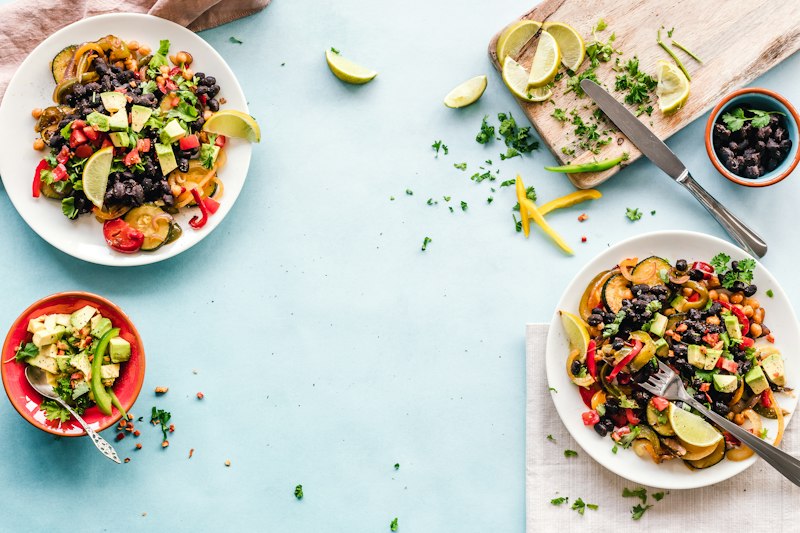
Cooking for Special Diets: Accommodating Food Allergies and Restrictions
Modern dinner parties can feel like a logic puzzle. One guest is Vegan, one is Gluten-Free, and another hates cilantro.
Instead of cooking separate meals (madness), design a Modular Menu.
The Modular Strategy (Taco Bar is King)
The best way to handle varied needs is deconstructed meals where guests assemble their own plates.
The Ultimate Example: The Taco Bar
- Base: Corn Tortillas (GF + Vegan).
- Protein 1: Seasoned Beef/Pork.
- Protein 2: Seasoned Black Beans or Grilled Mushrooms (Vegan).
- Toppings: Salsa, Guacamole, Onions, Cilantro (Vegan/GF).
- The "Problem" Items (kept separate): Cheese, Sour Cream (Dairy).
Everyone eats the same meal, customized to their safety.
Other Modular Ideas
- Grain Bowls: Rice base + assorted toppings.
- Polenta Bar: Creamy cornmeal + ragu (meat) or mushroom ragu (vegan).
- Salad Bar: Big greens base + optional toppings.
Hidden Dangers (Cross-Contamination)
For serious allergies (like Celiac or Nut Allergies), a crumb is enough to cause a reaction.
- Toasting: Don't toast GF bread in a toaster used for wheat bread.
- Frying: Don't fry french fries in oil where you fried breaded fish.
- Serving Spoons: Ensure every dish has its own spoon so the cheesy spoon doesn't dip into the vegan beans.
Go Naturally Inclusive
Many cuisines are naturally friendly to varied diets.
- Indian: Vast array of vegetarian/vegan/GF (curries + rice).
- Mexican: Corn-based and bean-rich.
- Mediterranean: Olive oil based (often dairy-free) and veg-forward.
Communication
Ask guests before they arrive: "Do you have any severe allergies or dietary restrictions?" It shows you care and prevents emergency room visits.
Use our advanced Filtering System to find recipes by diet!
Try This Recipe!
Inspired by this article? Here's a delicious recipe you can make right now.

Abilene
Try This Recipe!
Inspired by this article? Here's a delicious recipe you can make right now.
Abilene
Related Articles

Seasonal Cooking: How to Shop and Cook with the Seasons
One-Pot Meals: Delicious Dinners with Minimal Cleanup
