Wilderness Dining Made Easy: A Comprehensive Guide to Satisfying Outdoor Feasts


The Art of Campfire Cooking: Where Flavor Meets Experience
Camping dinners aren’t just about sustenance; they’re about savoring every moment in the great outdoors. Campfire cooking is as much an art as it is a culinary escapade, transforming simple meals into memorable feasts under the open sky. Let's explore some timeless techniques that ensure your campfire cuisine is as grand as the scenery around you.
Foil Packets: The Camp Cook's Secret
Foil packets are the unsung heroes of campfire cooking—compact, customizable, and perfect for bringing out flavors. Simply toss your favorite ingredients into a piece of foil, wrap it up tight, and let the heat do its magic.
- Why They're Great: No mess, no fuss. You can steam, bake, or roast inside these shiny wraps, retaining moisture and flavors.
- How to Use: Chop vegetables, add a protein source like chicken or fish, sprinkle on some spices, and seal your packet. Toss it onto the coals and let the flavors meld.
- Safety Tip: Make sure to use thick, quality foil to prevent tears and unwanted ash.
Cast Iron Cooking: A Timeless Tradition
There's nothing quite like a cast iron skillet perched over an open flame. Durable and versatile, cast iron cookware is your best friend for campfire consistency.
- Benefits: Even heat distribution chars meats to perfection and gives veggies a smoky sear.
- Technique: Preheat the skillet, then add oil and ingredients. Searing a cowboy steak or sautéing fresh-picked mushrooms becomes an elevated experience.
- Care Tip: Allow the skillet to cool before cleaning, avoiding rapid temperature changes that cause cracking.
Skewering: Beyond the Marshmallow
Skewers are not just for marshmallows anymore. They're simple, straightforward, and ever so satisfying. Plus, they require nothing more than a stick and a knack for threading flavorful ingredients.
- Skewer Savvy: Think beyond traditional s'mores. Thread veggies, cubed meats, or even fruits to create sweet and savory combinations.
- Pro Tip: Soak wooden skewers in water for 30 minutes before use to prevent burning.
- Safety Check: Keep clear of overhanging branches and ensure skewers are stationed comfortably away from other campers.
Setting the Scene: Fire Safety First
An unforgettable meal starts with a secure setup. Prioritize fire safety to safeguard both your culinary ambitions and your environment.
- Fire Safety Starter Pack: Invest in reliable fire starters to get things crackling without a fuss. Avoid using accelerants like gasoline.
- Site Selection: Use a designated fire ring or build a pit surrounded by rocks. Clear all debris and keep flammables at bay.
- Extinguish with Care: Always have water and a shovel at hand to extinguish the fire thoroughly before turning in or leaving the site.
Essential Gear for Campfire Culinary Success
No need to pack the kitchen sink, but a few key items can elevate your game:
- Cast Iron Skillet: Perfect for nearly every dish, it’s the multitasking pan of the outdoors.
- Folding Grill Grate: Ideal for barbecue fans and those who love a good steak.
- Camping Utensils: A long-handled spatula and tongs are perfect for handling the heat without singing your brows.
By mastering these campfire cooking techniques and prioritizing safety, you’ll create not just meals but memories that resonate long after the embers fade. Now go, make your campfire the heart of your next camping adventure! And don’t forget to brag about your newfound culinary prowess.
Efficient Meal Planning: The Backbone of Stress-Free Camping Dinners
Camping meal planning is your ticket to scrumptious meals without the stress. It's the artful balance of prepping, packing, and perhaps a sprinkle of culinary magic. Let’s get you set for culinary success under the stars.
Shelf-Stable Ingredients: Your New Best Friends
When you're miles from the nearest grocery store, shelf-stable ingredients are like trusty sidekicks. Think canned beans, dehydrated veggies, and vacuum-sealed proteins. They're durable, light on the pack, and keep spoilage at bay. Those scene-stealing campfire dishes? They're just as tasty without the risk of perishables going south.
Portion Control: Waste Not, Want Not
Portion control isn’t just for dieters. It's the smart camper's strategy to minimize food waste and lighten the load. Depending on your trek’s rigor, aim for 2,500 to 4,500 calories daily. Pack pre-portioned meals in labeled bags. This method ensures you’re carrying just enough without leaving nature—or your pack—bursting at the seams.
Cooler Management for the Win
If you're toting a cooler, it’s all about layering. Frozen water bottles or ice packs interspersed among your food keep perishables fresh and cool below 40°F. But remember, every time the lid opens, the temp rises. Pack efficiently: group meals and layer logically, with items you'll need first on top.
Nutritional Balance: Fuel for Adventure
Your body’s a machine and camping is not the time to compromise on fuel. Ensure your meals deliver a balanced blend of carbohydrates (50-60%), proteins (10-20%), and fats (20-30%). This mix supports energy and recovery whether you're hiking, swimming, or serenading squirrels. Hydration matters too, so pack dried fruits and veggies to rehydrate along with you.
Tools to Amp Up Efficiency
- Vacuum Sealers: Pre-cook and vacuum seal meats for an effortless, quick-cook option that's safe and compact.
- Portable Coolers: Are a must if carrying perishables. Go for designs with rugged exteriors and smart insulation.
- Compact Multi-tools: Knives, can openers, and sporks all-in-one save space and sanity in the wild.
Remember: intelligent meal planning isn’t just about surviving. It’s about eating with flair and fun, sealing your reputation as the camp's culinary wizard. Share these tips, and maybe a meal, with fellow campers. They'll thank you under the twinkling stars.
Tech Meets Trail: Combining Modern Gadgets with Traditional Cooking Methods
Who says you can't bring a bit of tech savvy to the great outdoors? These days, prepping a gourmet meal under the stars is all about seamlessly blending traditional campfire methods with the latest in outdoor cooking gear. Whether you're a backpacker who thrives on adrenaline or a leisure camper with a penchant for comfort, here’s how to harness the power of both worlds.
The Magic of Portable Stoves
Think of portable stoves as your personal sous chef. They’re compact, efficient, and ready to boil water or fry up breakfast in a snap. Here's how to get the most out of them:
-
Choose Your Fuel: Gas canisters are popular for their portability and ease of use. If you're planning an extended trip, consider a liquid fuel stove for its longevity.
-
Set Up and Ignite: Find level ground and ensure the stove is stable. Connect the fuel source and ignite with a match or built-in igniter. Hello, instant heat!
-
Efficiency Tips: Use a windscreen to maintain flame consistency and reduce fuel consumption.
They're perfect for quick meals and boiling water on rainy days when the campfire is a no-go.
Solar Ovens: Slow Cooking in the Sun
If you've got patience and plenty of sunshine, a solar oven is the eco-friendly option that lets you slow-cook without a flame. Here's your cheat sheet to sun-baked perfection:
-
Set Up: Position in direct sunlight and adjust throughout the day to maximize exposure.
-
Preheat: Solar ovens take time to heat up—aim for at least 200°F. Plan your cooking time accordingly (think of it as a slow cooker on vacation).
-
Recipe Adjustments: Less liquid is often needed as these ovens retain moisture. Perfect for bread, rice dishes, and stews.
Lightweight, Multi-Use Cooking Gear
When space is at a premium, gear that does double duty is your best friend. Consider these essentials:
-
Collapsible Pots and Pans: They save space and are excellent for everything from boiling to frying.
-
Sporks and Multi-tools: Because the fewer utensils, the better. Look for ones with built-in can openers or bottle openers.
Leave No Trace Principles: Cook and Clean Responsibly
Using modern gadgets doesn't exempt you from being a responsible camper. Keeping our trails pristine is a priority:
-
Pack It In, Pack It Out: Dispose of food scraps and packaging properly. Wildlife should never enjoy your dinner leftovers.
-
Minimal Water Use for Cleaning: Wipe excess food with a paper towel first, then wash with biodegradable soap. Stay at least 200 feet away from water sources.
Combining modern tools with a love for tradition offers the best of both culinary worlds. Whether it's a hearty stew simmering away in a solar oven or a quick coffee brewed on a portable stove, you're destined for delicious meals on the trail. Share the warmth—and these tips—at your next campfire meetup.
FAQs for Camping Dinner Cooking
Whether you're a seasoned outdoor chef or just starting your campfire culinary journey, we're here to tackle some burning questions about cooking dinner under the stars.
How can I keep my food safe from wildlife during a camping trip?
Every camper’s nightmare: curious critters raiding the grub stash. Keep your food safe and secure with these tips:
-
Bear-Proof Containers: In bear country, bear-proof canisters or bags are non-negotiable. They’re your best defense against hungry, sniffing noses.
-
Hang It High: If bear canisters aren’t required, hang your food (plus trash) in a bag from a sturdy branch—at least 12 feet off the ground and 6 feet from the trunk.
-
Smarter Storage: Keep all scented items, including toothpaste and deodorant, in your bear-proof container or up that tree. Your tent isn't a safe storage spot!
What are some quick and easy camping dinner recipes?
Time spent cooking is time not spent hiking, stargazing, or lounging, right? Try these straightforward recipes:
-
Foil Packet Dinners: Throw in some protein (chicken, shrimp, or tofu), vegetables, and your favorite seasoning. Wrap it up and place it over hot coals. Boom, dinner.
-
Instant Ramen Upgrade: Add dehydrated veggies and a boiled egg to your noodle soup. It's quick, satisfying, and miles ahead of plain old ramen.
-
Pre-cooked Meals: Pre-cook stews or chili at home, freeze ’em, and simply reheat over your portable stove. A warm meal in no time and minimal cleanup.
How do I adapt my cooking style for high-altitude camping?
Cooking at high altitudes (above 3,000 feet) isn't just for pros. Here’s your game plan:
-
Longer Cooking Times: Water boils at a lower temperature up here, meaning you'll need more time for rice, pasta, and things that fancy a soak.
-
Seal the Flavor: Pre-cooked, vacuum-sealed meals are your best friends. They withstand the altitude tango and make meals quick.
-
Adjust Hydration: Bring more water than you'd think. Dehydration sets in quicker at higher elevations, so keep both you and your dishes hydrated.
What essential cooking tools should I bring for camping?
Weight and space are your enemies in the wild. Equip yourself with this arsenal:
-
Lightweight Stove: Opt for a propane or alcohol stove—efficient and packs a punch without weighing you down.
-
Compact Cookware: Nesting pots or a collapsible pan fit into tight backpacks without drama.
-
Multi-tools: A good spork and a versatile tool with a can opener are worth their weight in gold.
How do I effectively clean up after a campfire meal?
Leave no trace of your epic camp dinners with this cleanup routine:
-
Pack Out Scraps: No one likes a raccoon party in their campsite. Floaters in a biodegradable bag do not belong in nature.
-
Minimal Water Use: Wipe away food bits from dishes with a paper towel. THEN wash with biodegradable soap, at least 200 feet from any water sources.
-
Two-Tier Cleaning: First, dry scrub with sand or soil, then a quick wash. Your camp concoctions will taste just as good next time.
With these tips up your flannel sleeve, you're ready to cook up a (literal) storm in the wild. Go forth and feast, and maybe share these insights while you're at it—who doesn't love being the trail's top chef?
Savour the Wilderness: Ending the Day with Crowd-Pleasing Camp Dinners
There's an irresistible magic in ending your day with a splendid meal under a canopy of stars. The crackle of the fire, the laughter echoing through the trees, and the satisfaction of a warm, hearty meal shared with friends or family—this is what camping dinners are all about.
Well-planned camping dinners aren't just about filling bellies; they're about building memories. The secret to these magical meals? Foolproof recipes that cater to every taste bud around the campfire. Here are a few that are practically begging to be your new camping staples:
-
Beef Brisket Pot Roast: This slow-cooked wonder can be prepped ahead and warmed up at the campfire, making it a crowd-pleaser that feels like a gourmet meal after a day of outdoor adventuring.
-
Garden Fresh Heirloom Tomato, Pepper, and Cucumber Salad: Refreshing and vibrant, this salad brings a bite of summer with each forkful and pairs delightfully with just about anything.
-
Foil Packet Fajitas: Pack your favorite proteins, veggies, and a sprinkle of spices into foil packets for a smoky, flavorful dinner that’s as fun to make as it is to devour.
-
Campfire Chili: Cook up a batch of chili at home and reheat it over the fire for an easy, comforting meal. Pair it with some sturdy camp bread, and you've got a hit.
So, pack your cook's spirit along with those multi-tools and nesting pots. Don't shy away from experimenting—maybe you'll discover a new twist on an old favorite. After all, personalizing these meals is half the fun.
Remember, the essence of camping dinners lies not just in the food but in the sharing. It's the stories traded over plates, the camaraderie kindled along with the fire, and the memories created that turn a meal into something unforgettable. So, gather your gang, light that fire, and let the wilderness enhance every bite. Share these experiences widely, because good times—and good meals—are meant to be shared.
Until next time, happy camping and even happier eating!
Try This Recipe!
Inspired by this article? Here's a delicious recipe you can make right now.
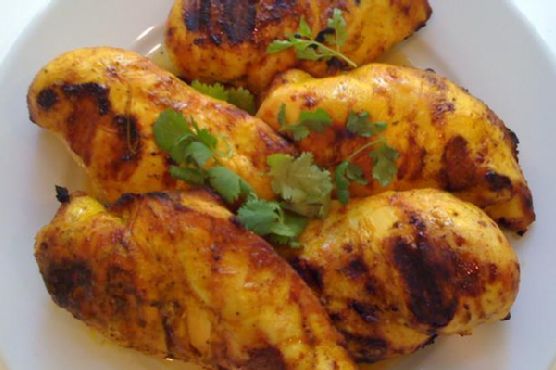
Grilled Lemon Garlic Chicken
Try This Recipe!
Inspired by this article? Here's a delicious recipe you can make right now.
Grilled Lemon Garlic Chicken
Related Articles
Christmas Week Game Plan: Your Daily Prep Schedule from Today to December 25

The Art of the Grazing Table: Abundant Spreads Made Simple