Unlocking the Secrets of Asian Barbecue: Infusing Modern Flavors into Classic Dishes

Why Asian Barbecue is a Culinary Canvas Like No Other
Asian barbecue is more than just food—it's an art form etched with cultural stories and rich traditions from across the continent. Whether you're drawn in by the drama of a Korean BBQ with its sizzling platters and communal vibes or the minimalist elegance of Japanese yakiniku, each bite tells a story.
Korean BBQ: A Communal Feast
Picture this: you're seated around a table with a built-in grill, surrounded by friends or family, and there's the symphony of sizzling beef and pork belly seasoned with soy, garlic, and sesame. That's Korean BBQ. It's a social event as much as a meal. The magic here isn’t just in the choice cuts of meat but in the synergy of flavors—nutty sesame oil, pungent garlic, and fiery gochujang—that come alive as the meat cooks.
Japanese Yakiniku: A Lesson in Restraint
On the other end of the spectrum, we have Japanese yakiniku, where simplicity reigns. Thin slices of beef or seafood are cooked over Binchotan charcoal, praised for its subtleness that enhances rather than overwhelms. It's a testament to how balance and simplicity can create profound flavors. The experience is almost meditative, allowing the diners to savor the natural flavors of each ingredient.
From Streets of Thailand to Chinese Char Siu
Taking a stroll through Thailand, you'll find Moo Ping—a street-food delight that's as authentic as it gets. Tender pork skewers marinated and grilled to perfection, offering a sweet-savory punch. Then we swing to China for a glimpse of Char Siu, where pork is glazed with a sticky, sweet marinade that's almost candy-like.
A Fusion of Flavors
Modern palates are playing with these age-old traditions, infusing them with contemporary twists. You'll find yuzu-marinated cuts drizzled with truffle oil or even a hint of Sriracha in a traditional glaze, marrying classic techniques with global tastes.
Making it Memorable
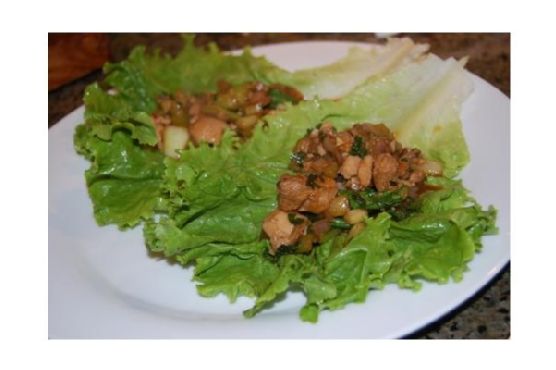
To level up your Asian barbecue night at home, balance is key. Pair rich grilled meats with pickled sides—think kimchi or daikon—and try serving them in lettuce wraps for a fresh, crunchy counterpoint. For inspiration on complementary dishes, you might consider something as surprising as our Mini Stuffed Mexican Bell Peppers, which can add a vibrant, zesty twist to your table.
Asian barbecue is an exploratory journey—a flavorful passport across the cultures and lands of Asia. It's a testament to how food is not just about taste, but about experience, tradition, and, perhaps most importantly, about bringing people together. So, grab your tongs, light up that grill, and invite your favorite people for a feast that's bound to linger in memory long after the last bite.
The Alchemy of Marination: The Science Behind Flavor Deepening
Alright, folks, let's chat about marination, shall we? This isn't just a toss-it-in-a-bowl-and-wait kinda deal. Nope, marination is a dance of chemistry, tradition, and well, a bit of patience. It's where flavors aren't just added—they're deepened, transformed, infused into every fiber of the meat.
Asian Barbecue Magic
Now, what makes Asian barbecues so tantalizing? It's those magical concoctions featuring soy sauce and fermented pastes like miso or doenjang. These ingredients don't just sit pretty—they work their magic by tenderizing proteins and enhancing that mysterious fifth taste we all crave: umami. Imagine marinating a cut of beef overnight in this elixir, then feeling it melt into your palate like one of our sumptuous Lamb & apricot meatballs melts into a Mediterranean feast.
Science at Play
So, here’s the nitty-gritty: through the marinating process, enzymes in ingredients like ginger and garlic work tirelessly. They break down the proteins and connective tissues, making meat tender enough to cut with a fork. It's a science experiment that ends with BBQ aromas wafting through your backyard.
Avoiding Common Marination Mishaps
But before you dive into your DIY marinade: beware of pitfalls. Over-marinating in acidic solutions like vinegar or citrus can turn your prime cut into mush. And skipping the overnight soak? You’re left with a flavor on the surface, not an umami infusion. Aim for a balanced marination period—just right so flavors penetrate without overwhelming or texturing.
Mastering Flavor Layers
In cooking, much like life, balance is key. Start simple. Base with soy sauce marination, let it seep overnight or at least for a few hours. Then, during grilling, brush on additional layers—maybe a honey-soy glaze or a sprinkle of sesame seeds at the finish line. This way, each bite tells a delicious, multi-layered story of sweet, salty, and savory.
Marination isn’t just seasoning; it’s creating. The result? A dish that doesn’t shout but whispers sweet—and savory—nothings every time someone reaches for seconds. Armed with these insights, go forth and BBQ like the alchemist you are. Cheers to deeper flavors and satisfied guests!
The Heat is On: Mastering the Firepower of Asian Barbecue
Alright, grill warriors, let's get into the hottest part of Asian barbecue—quite literally. The flames are your tools, your ally, and sometimes, your nemesis. Mastering firepower requires understanding your weapon of choice: from ancient Binchotan charcoal to modern gas grills, each has its tales to tell.
The Power of Binchotan
Imagine the quiet crackle of Binchotan charcoal under a grilling rack. This Japanese treasure is the secret weapon for achieving that ideal balance of sear and smoke. It's famed for its virtue of burning clean and hot—low smoke means your seafood stays delicate, not overwhelmed. But don't fret if Binchotan isn't on hand. Hardwood charcoals can also do wonders if you wield them wisely.
New Heat Sources, New Tricks
Charcoal grilling is a classic, but modern heat sources have joined the party. Gas grills, while often eyed with suspicion by purists, offer unparalleled temperature control—a boon for avoiding the infamous burnt sugar disaster. You can even infuse smoke without the theatrics of a campfire by sneaking in wood chips like apple or cherry into your grill setup. The fruity smoke adds layers of intrigue to any dish without stealing the show.
Temperature Control: Your Best Friend
Nail this, and you're halfway to grill-master glory. Keep your eye on sugar-rich sauces, as they tend to scorch at high temperatures, turning flavorful marinades into bitter regrets. Indirect heat—used smartly—lets you cook your proteins slow and steady, ensuring that your dish's integrity isn’t sacrificed on the altar of a hungry flame.
A Nod to Fusion with Control
While we're respecting tradition, a touch of innovation never hurts. Maybe try adding a whisper of Sriracha glaze during the last few moments on the grill to bring a little zing without overshadowing the authentic goodness. The trick is, like the ancient mariner, to balance the helm—a modern flavor should complement the traditional, not capsize it.
Serve It Right
What suits your smoky masterpieces? How about some tang with Roasted Fingerling Potatoes and Brussels Sprouts to counterbalance the rich, savory flavors of your barbecue? A crisp, pickled side always seals the deal, keeping things vibrant and fresh.
So, armed with these fiery insights, go forth and conquer! Achieve that perfect sear and intoxicating smokiness with confidence, whether you're stewing over subtle Binchotan or embracing the convenience of a modern grill. Share the love—and maybe a few burnt-free dishes!
A Modern Twist on Tradition: When Fusion Meets Authenticity
In the bustling kitchens of today's culinary innovators, fusion is more than just a trendy buzzword. It's an art form where creativity meets tradition, giving birth to dishes that offer global influences without sacrificing authenticity. At the heart of this revolution is Asian barbecue—a mosaic of regional gems like Korean BBQ, Japanese yakiniku, and Chinese Char Siu. Each has its distinct identity, yet they all present a canvas ripe for modern ingenuity.
One of the secret weapons in this culinary symphony is the mighty truffle oil. Imagine the citrusy zing of a yuzu marinade elevated by a subtle hint of luxury with truffle oil. This isn't just a throwaway trend; it's a testament to how even a whisper of modern ingredients can redefine traditional flavors, allowing chefs to strike a delicate balance between heritage and innovation.
The Fusion Balance: Not Too Much, Just Enough
Just like how a master barista layers flavors in Home made coffee ice cream—getting the proportions right is crucial in fusion cooking. Introduce a dash of Sriracha to a classic glaze, and suddenly you've injected a bold global influence without overwhelming the delicate marination of soy and garlic underneath.
Here’s the real trick: resist the urge to overdo it. Infuse just enough to invite the taste buds on a global journey, while keeping one foot resolutely planted in tradition. This might mean pairing that bold glaze with a traditional side like pickled daikon or wrapping your creation in crisp lettuce for texture and contrast.
Success Stories in Fusion Barbecue
Some of the most talked-about fusion dishes have managed to do exactly this. Picture Thai Moo Ping skewers, seasoned traditionally with turmeric and paired with a modern peanut sauce infusion that nods respectfully to Indonesian satay. Or envision a Korean barbecue dish enhanced with zesty lime zest—just enough to keep diners intrigued without losing sight of its roots.
The fusion barbecue journey is about creating a harmonious blend—where modern flavors don't overshadow tradition but instead stand side-by-side on the plate, each complementing the other in a stunning culinary embrace. For the creative cook, this is the sweet spot where the magic happens.
So, whether you're a seasoned grill master or a kitchen adventurous spirit, why not start your own fusion experiment? Who knows, you might just uncover the next big culinary revelation your dinner guests will rave about.
FAQs: Mastering Asian Barbecue with Confidence
What's the ideal marination time for Asian barbecue?
- For most meats, aim for anywhere between 12 to 24 hours to let the complex flavors from ingredients like soy sauce, ginger, and garlic work their magic. Remember, under-marinating leaves you craving flavor; overdoing it can make textures go mushy, especially with acidic components.
How can I avoid burning my sauces while grilling?
- Keep a watchful eye on those temps! Sugar-rich sauces like those involving brown sugar or honey burn faster. Work with a medium heat, especially over charcoal, to maintain caramelization without charring. Start with a good sear and finish with a lower heat zone if available.
I'm all about fusion, but how do I maintain flavor balance?
- Moderation is key. Let traditional flavors take the lead—think soy, garlic, and ginger. Introduce modern twists sparingly, like adding a touch of truffle oil or a drizzle of Sriracha glaze. It'll keep the meal rooted in tradition but fresh and exciting.
What ingredients should never be left out when preparing a marinade?
- Basics are basics for a reason: start with soy sauce, garlic, and something sweet like brown sugar or honey. Want to add depth? Toss in fermented elements like doenjang or fish sauce for umami richness.
What temperature should I aim for when grilling?
- Keep it around medium-high. Get that classic char without the burn. Patience pays off—let Binchotan charcoal or a gas grill infused with wood chips work for you. It's more than just cooking; it's about infusing that perfect smokey undertone.
How should I present my Asian barbecue for a wow factor?
- Think like a minimalist painter: less is more. Highlight the main dish and use vibrant, pickled sides like kimchi or daikon for a pop of color and zing. Want to take it up a notch? Try wrapping servings in crisp lettuce—the texture contrast is a game-changer (whoops, forgive the taboo word).
Any side dishes to complement Asian barbecue?
- Elevate your meal with complementary sides like our Roasted Fingerling Potatoes and Brussels Sprouts. It's an earthy counter-note to the rich, umami-packed main courses.
Master these elements, and you'll be grill royalty at your next barbecue showdown. Go forth and barbecue like you mean it!
The Final Bite: Embracing the Diversity of Asian Barbecue
Ah, you've made it to the grand finale! Like the last scene of a great film, this is where everything comes together. Think of Asian barbecue as a colorful palette of flavors painted across your grill. It's more than just fire and meat; it's a harmonious dance between history, tradition, and a sprinkle of modern magic.
From the spicy skewers of Indonesian Satay to the sweet whispers of Chinese Char Siu, every dish tells its own story. You could swear you're a culinary anthropologist, exploring how each culture infuses unique ingredients and techniques. Asian barbecue is far from monolithic. It's a patchwork quilt of vibrant tastes, each adding its delightful twist.
So what's the secret to mastering this diverse world? Start with the basics but don't be afraid to play a little. Mix your soy and garlic, sure, but toss in a whisper of ginger or a splash of citrus for an unexpected zing. Just like our Roasted Fingerling Potatoes and Brussels Sprouts add a grounded, earthy note that balances a rich Asian barbecue spread, a dash of creativity can transform a meal into an adventure.
Experiment More, Worry Less
Whether you're a grilling newbie or a seasoned pro, take a page from the book of modern fusion. Combine the bold with the subtle. Add a dribble of Sriracha to a traditional Japanese Yakiniku—or maybe some truffle oil if you're feeling fancy. It's this playful spirit of mixing and matching that can lead to a barbecue experience as memorable as it is delicious.
Remember, there's no right or wrong here, just endless possibilities. As you dab away at sauces and add your signature touch, allow the diversity of Asian barbecue to inspire your kitchen experimentation. Set aside the fear of fusion overwhelm. Instead, trust in the delight of culinary exploration and embrace the elegance of simplicity when needed.
So go on, light that grill, and let every bite be a testament to the crossroads of flavor and tradition that is Asian barbecue. Share your creations, and who knows? You might just spark the next big barbecue trend among friends—or at the very least, earn plenty of dinner invitations.
Try This Recipe!
Inspired by this article? Here's a delicious recipe you can make right now.
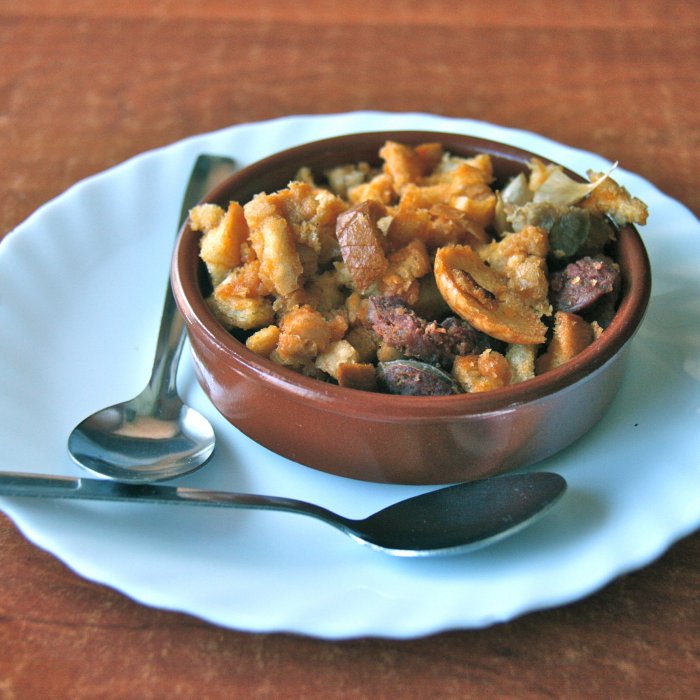
Migas
Try This Recipe!
Inspired by this article? Here's a delicious recipe you can make right now.
Migas
Related Articles
Mediterranean Flavors: A Journey Through Greek and Turkish Cooking
Exploring Italian Cuisine: Beyond Pasta and Pizza