Ancient Grains Explained: From Farro to Freekeh


Ancient Grains Explained: From Farro to Freekeh
Grains have been a fundamental part of the human diet for over 10,000 years. Among the myriad of grains, ancient grains like farro and freekeh stand out not only for their historical significance but also for their nutritional benefits and unique culinary applications. This guide delves deep into the fascinating world of these grains, exploring their history, nutritional profile, and how to make the most of them in your kitchen.
The Rich History of Ancient Grains
What Are Ancient Grains?
Ancient grains refer to grains that have remained largely unchanged over the last several hundred years. Unlike modern wheat, which has been bred for higher yield and easier processing, ancient grains have been preserved in their original forms. They include grains like spelt, farro, freekeh, and others such as amaranth and quinoa.
The Historical Significance of Farro and Freekeh
Farro, also known as emmer wheat, is one of the oldest cultivated grains, with its origins tracing back to the Fertile Crescent. It was a staple in the diets of ancient civilizations such as the Egyptians and Romans. Freekeh, on the other hand, is a traditional Middle Eastern grain made from young, green durum wheat roasted to highlight its distinct flavor. Its origins also lie in the Levant, and it has been a part of the culinary tradition there for centuries.
Nutritional Powerhouses
Nutritional Profile of Farro
Farro is rich in fiber, protein, and essential nutrients like iron, magnesium, and B vitamins. Its high fiber content aids in digestion and contributes to a feeling of fullness, making it an excellent choice for weight management.
Nutritional Benefits of Freekeh
Freekeh is a nutritional powerhouse, boasting higher protein and fiber levels than even the popular quinoa. It is also low on the glycemic index, making it beneficial for managing blood sugar levels. However, it's important to note that freekeh is not gluten-free.
| Nutrient | Farro (per 100g) | Freekeh (per 100g) |
|---|---|---|
| Calories | 340 kcal | 325 kcal |
| Protein | 12g | 16g |
| Fiber | 6g | 12g |
| Iron | 2mg | 4mg |
Culinary Uses and Cooking Techniques
Cooking Farro: Techniques and Tips
Farro is versatile and can be cooked using the absorption method, pilaf method, or boiled like pasta. For the best texture, use the pasta method: boil a pot of salted water, add farro, and cook for about 15 minutes. Drain and let it steam for an additional 10 minutes.
- Pro Tip: Use semi-pearled farro for a balance of nutrition and tenderness.
Mastering Freekeh: Cooking and Flavor Pairing
Freekeh is best prepared using the rapid boil method. It should be boiled for about 30 minutes until tender. Its natural smokiness pairs well with bold spices and herbs.
- Flavor Pairing: Freekeh loves spices like cumin, coriander, and smoked paprika.
Incorporating Ancient Grains into Your Diet
Farro in Modern Cuisine
Farro can be used to make risottos, salads, and soups. Its nutty flavor complements vegetables like asparagus and mushrooms, and it can be used as a base for grain bowls.
Freekeh in Contemporary Dishes
Freekeh is perfect for hearty salads and as a side dish. It holds up well to robust ingredients like roasted vegetables and strong cheeses such as feta.
Storage and Preservation
Best Practices for Storing Ancient Grains
To maintain their nutritional value and prevent rancidity, store farro and freekeh in airtight containers in a cool, dark place. For longer storage, consider refrigerating or freezing them.
The Science of Whole Grains
Understanding the Structure of Grains
Grains are composed of three main parts: the bran, germ, and endosperm. Whole grains retain all these components, which contribute to their high nutritional value.
- Bran: High in fiber and antioxidants.
- Germ: Rich in vitamins, minerals, and healthy fats.
- Endosperm: Contains starchy carbohydrates and proteins.
Common Questions About Ancient Grains
FAQ
-
Are farro and freekeh gluten-free?
- No, both contain gluten as they are derived from wheat.
-
Can I use farro and freekeh interchangeably?
- While they can be used in similar dishes, their textures and flavors are distinct, so substitutions may alter the dish.
-
What is the best way to cook farro and freekeh?
- Use the pasta method for farro and the rapid boil method for freekeh for best results.
-
How do I store cooked ancient grains?
- Store in an airtight container in the refrigerator for up to 5 days.
-
Can I freeze cooked farro and freekeh?
- Yes, freeze in portion-sized containers for up to 3 months.
Conclusion
Ancient grains like farro and freekeh are not only rich in history but also in nutrition and culinary potential. By understanding their unique qualities and how to cook them, you can elevate your meals and enjoy the myriad benefits they offer. Embrace these grains to add variety, flavor, and nutrition to your diet, while connecting with the culinary traditions of ancient civilizations.
Try This Recipe!
Inspired by this article? Here's a delicious recipe you can make right now.
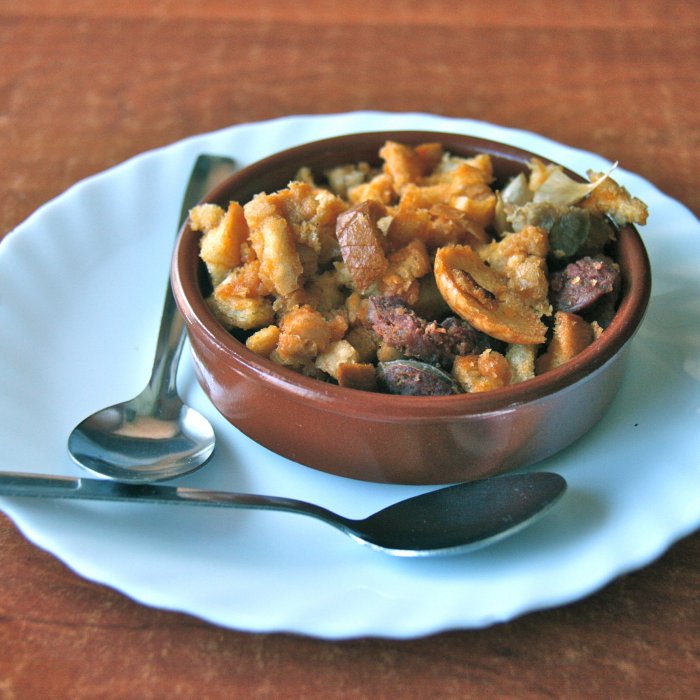
Migas
Try This Recipe!
Inspired by this article? Here's a delicious recipe you can make right now.
Migas
Related Articles

The Umami Pantry: Ingredients That Add Depth to Every Dish
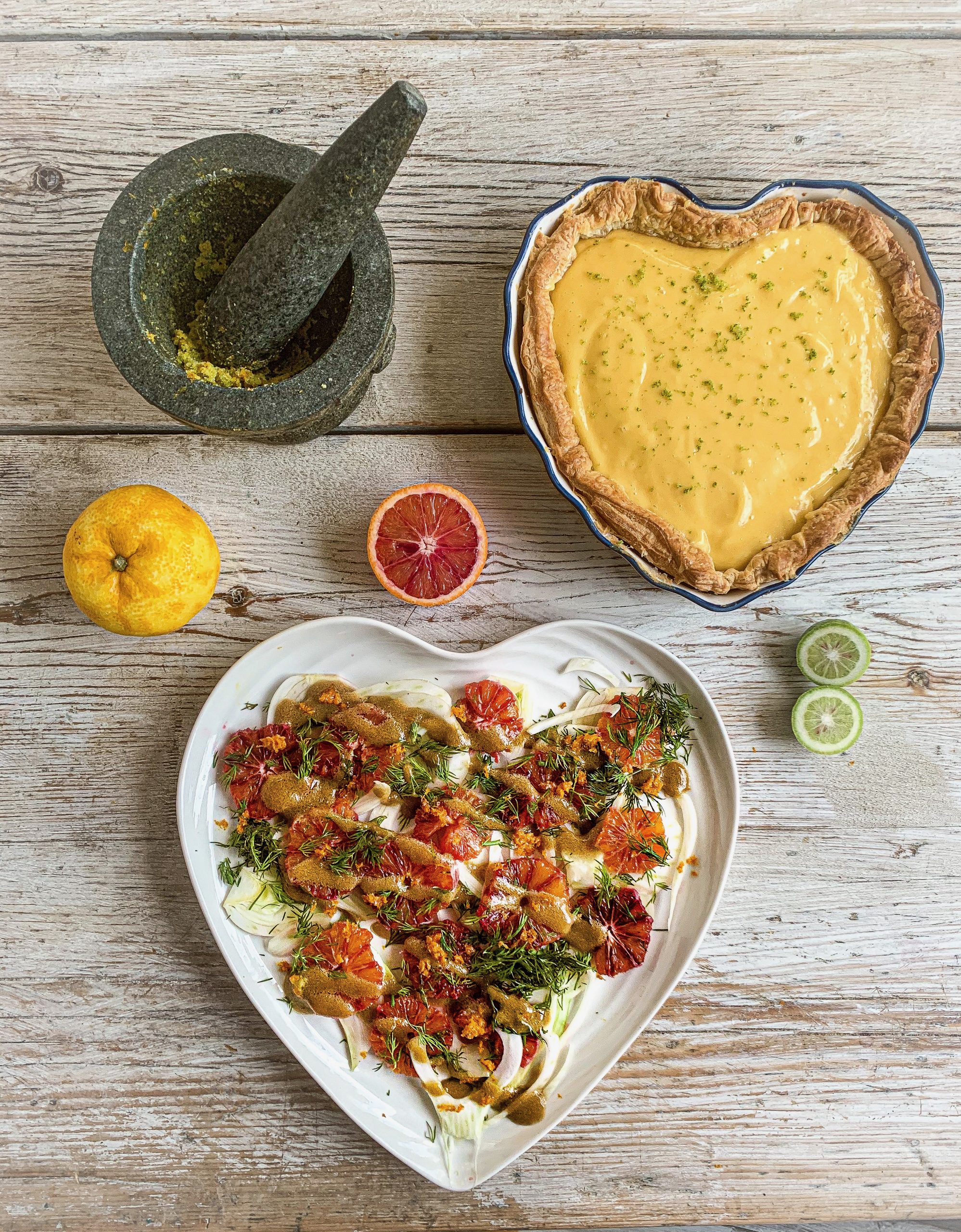
Citrus Beyond Lemon: Mastering Yuzu, Bergamot, and Meyer Lemons in Your Kitchen