The Ultimate Guide to Winter Squash Varieties and Perfect Cooking Techniques

Introduction: The Charm of Winter Squash
As the chill of winter settles in, kitchens across the globe warm up with the comforting smell of roasted squash. Winter squash, a staple of seasonal cooking, offers not only a burst of color to your dishes but also a wealth of flavors and nutrients. These versatile vegetables can transform a meal, bringing richness and depth to soups, salads, and more. In this ultimate guide, we will delve deep into the world of winter squash, exploring each variety's unique qualities and providing expert advice on how to cook them to perfection.
Understanding Winter Squash
What is Winter Squash?
Winter squash is a term used to describe a variety of squash species harvested in the late summer and fall. Unlike their summer counterparts, winter squash has a hard, inedible rind that allows them to be stored for an extended period. This makes them a perfect ingredient for winter months. Botanically speaking, they belong to the Cucurbita family, and they are known for their rich, sweet flavors and dense textures.
Nutritional Benefits
Winter squash is not just a treat for the taste buds; it’s a powerhouse of nutrition. High in vitamins A and C, potassium, and fiber, these squashes are excellent for maintaining a healthy diet. The vibrant orange and yellow hues are indicative of high beta-carotene content, which is beneficial for eye health and immune function. Including squash in your meals can also help with weight management due to their low-calorie yet filling nature.
Varieties of Winter Squash
Acorn Squash
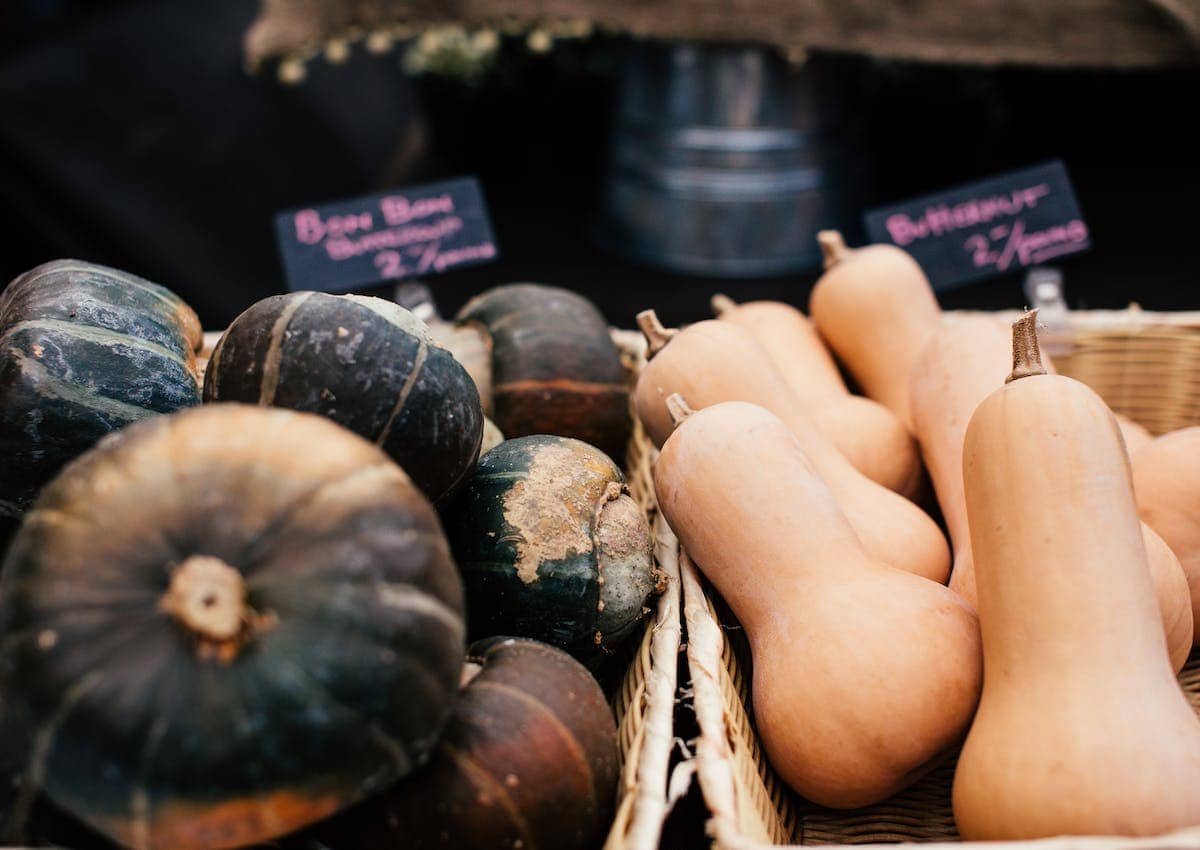
Acorn squash is easily recognizable by its ribbed, acorn-like shape and deep green color, often accented with orange patches. Its flesh is slightly sweet, making it ideal for both savory and sweet preparations. Cooking Tips: Acorn squash shines when roasted. Simply cut in half, remove the seeds, and season with a drizzle of olive oil, salt, and pepper before roasting until tender.
Butternut Squash
A favorite in many kitchens, butternut squash is known for its sweet, nutty flavor and smooth texture. It’s perfect for soups and purees. Cooking Tips: Peel the squash with a vegetable peeler, cube it, and roast with your favorite spices or blend into a creamy soup.
Delicata Squash
With its edible skin and sweet, creamy flesh, delicata squash is a delight to cook. Its oblong shape and striped appearance make it visually appealing as well. Cooking Tips: Slice into rings, remove seeds, and roast or stuff with grains and vegetables for a hearty dish.
Spaghetti Squash
Spaghetti squash is unique for its stringy flesh that resembles spaghetti noodles when cooked. This makes it a popular low-carb substitute for pasta. Cooking Tips: Halve the squash, remove seeds, and roast until tender. Use a fork to scrape out the strands and serve with your favorite pasta sauce.
Hubbard Squash
Hubbard squash is one of the largest winter squashes, with a bumpy skin and sweet flesh. It’s excellent for baking and stews. Cooking Tips: Due to its size, it can be challenging to cut. Consider baking it whole or using a heavy-duty knife to break it down.
Kabocha Squash
Kabocha, or Japanese pumpkin, is revered for its sweet, chestnut-like flavor and creamy texture. It’s versatile in both savory and sweet dishes. Cooking Tips: This squash is great roasted or used in curries and stews. Its skin is thin enough to eat, adding a pop of color to dishes.
Cooking Techniques
Roasting
Roasting is perhaps the most popular method for cooking winter squash, as it enhances their natural sweetness and creates a caramelized exterior. Steps: Preheat your oven to 400°F (200°C), cut the squash into uniform pieces, toss with olive oil and seasonings, and roast until tender.
Boiling
Boiling is a quick method, particularly useful for making purees or soups. Steps: Peel and cube the squash, then boil in salted water until soft. Drain and mash or blend as needed.
Microwaving
For those short on time, microwaving is a fast way to cook squash. Steps: Pierce the squash with a fork, place it in the microwave, and cook on high until soft. Let it cool slightly before handling.
Storage and Preservation
Storing Fresh Squash
For long-term storage, keep squash in a cool, dark place, such as a basement or pantry. Properly stored, they can last several months.
Freezing
Cooked squash can be frozen for later use. Puree or cube the cooked squash, place it in airtight containers, and freeze. This is a convenient way to preserve the bounty of the season.
Troubleshooting Common Issues
Avoiding Soggy Squash
To prevent soggy squash, ensure your roasting pan is not overcrowded. This allows moisture to evaporate, resulting in nicely browned pieces.
Peeling Challenges
If peeling squash proves difficult, try microwaving it for a few minutes to soften the skin. This makes the peeling process much easier.
Frequently Asked Questions
What is the best way to tell if a squash is ripe?
A ripe winter squash will feel heavy for its size and have a deep, uniform color. The skin should be hard enough that it cannot be punctured with a fingernail.
Can you eat the seeds of winter squash?
Yes, squash seeds are edible and nutritious. Roast them for a crunchy snack.
How can I incorporate squash into a healthy recipe?
Squash can be used in a variety of healthy dishes, from soups to salads. Try replacing potatoes with squash in a mash or adding roasted squash to a grain bowl.
Conclusion
Winter squash is a diverse group of vegetables that can elevate your culinary repertoire with their rich flavors and nutritional benefits. Whether you’re roasting an acorn squash or crafting a butternut squash soup, these versatile ingredients are sure to delight. Embrace the season’s bounty and experiment with different varieties to discover new favorite dishes.
Try This Recipe!
Inspired by this article? Here's a delicious recipe you can make right now.

Lemon Mint Sorbet
Try This Recipe!
Inspired by this article? Here's a delicious recipe you can make right now.
Lemon Mint Sorbet
Related Articles

Christmas Cocktails & Mocktails: 10 Festive Drinks Ready in 5 Minutes
The Ultimate Breakfast Revolution: How Homemade Muesli Can Transform Your Morning Routine and Boost Your Health