From Pantry to Plate: Mastering the Art of Pairing Fresh Ingredients in Italian Cuisine

Unlocking the Seasonal Symphony of Italian Ingredients
Italian cooking is akin to playing a symphony with fresh, seasonal ingredients as your orchestra. Each season brings its own melody of flavors and textures, framing the foundation of Italian recipes like an art form. It's seasoned with the wisdom of generations, gently reminding us that the best dishes start with what's freshest.
In spring, imagine verdant fields of artichokes at their prime, tender and begging to be turned into a stunning antipasto or folded into a Skillet Lasagna Topped with Ricotta. As summer takes the stage, lush tomatoes and vibrant basil reign supreme—ideal for that perfect Caprese. Come autumn, earthy truffles make their grand entrance, transforming simple pasta dishes into luxurious masterpieces. Winter welcomes hearty greens and citrus, essential for those heartier stews and refreshing salads that keep the cold at bay.
But Italian cooking is more than just a singular seasonal script. The land of gelato and espresso is a patchwork of regional diversity, each area boasting unique palettes and influenced by its rich history. In the north, comfort is found in rich buttery dishes and creamy risottos, warming like a comforting embrace. Meanwhile, the south's love affair with tomatoes and olives echoes the sun-drenched vibrancy of the Mediterranean, a nod to the Arab spices seasoned into the soul of Sicilian cuisine. This regional diversity isn't just geography; it's a testament to how culture and climate shape what lands on our plates.
Seasonality doesn't just enhance flavor; it offers nutritional benefits, turning every dish into a healthy indulgence. Fresh ingredients at their peak are flavor powerhouses, amping up every bite with bright and bold tastes that prepackaged goods simply can't match.
In the world of Italian culinary arts, the secret to authenticity is unlocked through the seasons. It's when you let the time of year guide your ingredients that you taste the true heart of Italian cooking. Trust in this cycle, embrace the rhythm, and you’ll find that your Italian creations sing with the genuine flair that made Italy the darling of epicures worldwide.
The Alchemy of Balance: Harmonizing Flavors in Italian Dishes
Italian cuisine has a flair for turning simple ingredients into culinary masterpieces, all while keeping the essence of each component intact. It's like a symphony where every flavor note has its purpose and none overshadow the others. Let's break down this flavorful magic.
Acid Meets Sweet
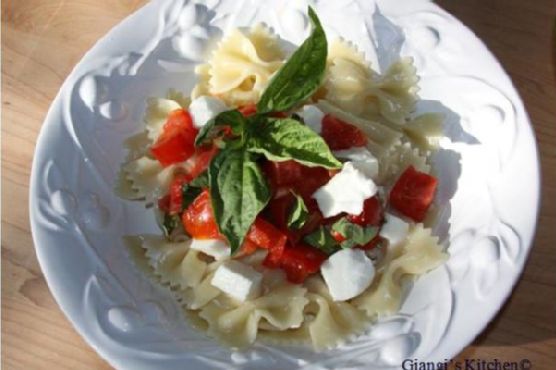
In Italian kitchens, the dance between acidity and sweetness is a cherished tradition. Think of a ripe tomato basking in its tangy glory, perfectly complemented by the sweet, syrupy touch of aged balsamic vinegar. It's this balance that gives life to a classic Caprese salad, where tomatoes, mozzarella, basil, and olive oil come together in harmonious unity. It reminds us that sometimes, less is more—each element shines precisely because nothing is overstated.
Aromatic Herbs: The Unseen Heroes
Aromatic herbs are the unsung heroes, the little green powerhouses that bring depth to Italian dishes. Whether it's the vibrant punch of basil in pesto or the fragrant warmth of rosemary nestled alongside roasted lamb, these herbs are the magical bridge from ordinary to exceptional. They infuse dishes with freshness, ensuring that no ingredient goes unnoticed. And let’s not forget the way thyme or oregano can elevate a simple marinara sauce to celestial heights.
The Depth of Umami
If you haven’t experienced the savory bliss of umami, imagine biting into a slice of aged Parmesan or savoring the earthy depth of porcini mushrooms. These flavors don't just make an appearance; they add a profound richness—a sort of culinary heartbeat—into dishes. In a creamy risotto, it's the Parmesan that ties everything together, transforming it from a mere rice dish to a comforting, soulful meal.
Dish Examples to Swoon Over
-
Caprese Salad: This dish is the poster child for balance. Fresh mozzarella and ripe tomatoes get a loving drizzle of olive oil and are sprinkled with just enough salt to make everything sing. Basil adds a peppery green note, and a light splash of balsamic vinegar ties it all together with a sweet acidity.
-
Classic Risotto: Risotto demands a delicate balance akin to an art form. Slowly cooking the rice, stirring consistently, and gradually adding broth is the key. The finish? A generous helping of Parmesan that weaves umami into every creamy bite. Planning a dinner? Level up your meal with our comforting Skillet Lasagna Topped with Ricotta—a dish that, much like risotto, thrives on balanced flavors.
In the end, Italian cooking is an exquisite lesson in harmony. It's about letting each ingredient speak and listening closely enough to let them all sing together. Start simple, honor the balance, and you’ll be surprised at just how captivating your kitchen creations become. Share this Italian magic with your friends and family—you'll be speaking the universal language of delicious.
FAQ: Italian Ingredient Pairing Mavericks Answer Common Questions
1. How do I choose the right olive oil for my dish?
Think of olive oil like wine—flavor varies by region and pressing method. Extra virgin olive oil is your go-to for drizzling and finishing; its robust flavor can handle the spotlight. On the other hand, regular olive oil serves well for cooking where you don’t want the oil to steal the show. The key? Taste test. A fruity note might pair perfectly with a Caprese, while a peppery finish could elevate that simple pasta to gourmet status. Dive into our Skillet Lasagna Topped with Ricotta to see olive oil in action.
2. Why is the provenance of ingredients so important in Italian cuisine?
The essence of Italian cooking lives in its ingredients. Provenance isn't just a fancy word—it's your flavor guardian. Parmigiano-Reggiano from its namesake region and San Marzano tomatoes from Campania hold secrets that generic substitutes simply can't unlock. They bring authenticity to your table, grounding dishes in true Italian tradition. It’s like swapping a Picassó for a paint-by-numbers; why miss out when the original masterpiece can be yours?
3. What are common mistakes when pairing sauces and pasta?
Getting sauce and pasta wrong is easy and cringe-worthy, like wearing socks with sandals. A sturdy pasta like penne loves thicker sauces that cling, while delicate angel hair prefers a simple, light coating to avoid being overwhelmed. Remember this: balance is your best friend. Match textures and stickiness, and you’ve cracked half the Italian culinary code.
4. How can seasonal ingredients alter the flavor of a classic Italian dish?
Seasonal ingredients are the unexpected guests that make a dinner party unforgettable. Picture juicy, ripe tomatoes in a summer caprese or hearty root vegetables in an autumn minestrone. When ingredients are in prime condition, they bring maximum taste, nutrients, and radiant color. Your dish sings with an intensity that’s impossible out of season. It's like nature flirting with your taste buds—take advantage!
5. What are some simple tips for enhancing the flavor of tomatoes in Italian cooking?
Enhancing tomatoes is akin to finding the right soundtrack for a movie scene. A pinch of sugar balances their natural acidity, creating harmony, while a tear of fresh basil brightens the flavors with herbal flair. And don’t forget the olive oil! A drizzle of fine extra virgin olive oil adds depth. For canned varieties, slow cooking with onion and a touch of butter rounds things out beautifully. Follow these steps and you'll be the tomato whisperer of your kitchen.
These nuggets of wisdom carry the spirit of true Italian cooking. TIP: Pair this section with our articles and recipes and let the inspired alchemy elevate your next dish to Italian heights. Buon Appetito!
Beyond Basics: Mastering Techniques for Transformational Italian Dishes
So you’ve nailed the basics. Now it’s time to strut into the world of Italian cooking with some panache. We’re talking about techniques that transform humble ingredients into soul-stirring dishes. Let’s dive into some secrets your Italian nonna might not even know she passed on.
Emulsification: The Harmony of Aglio e Olio
Ever wonder why some pasta dishes feel like they’re giving you a warm hug? That’s emulsification in play. Take aglio e olio, a simple dish consisting of garlic and olive oil. The magic happens when you stir in pasta water—the starch from the pasta liquefies with the oil, creating a luscious, clinging sauce. Just toss and stir like you mean it. You’re not just mixing; you're crafting harmony.
Gnocchi: The Pillow-Soft Cloud
Ah, gnocchi. Those delightful pillows of potato. Crafting that perfect texture might seem daunting, but remember: it’s all about gentle handling. Use just enough flour to bind, and never over-knead. Your mission is fluff, not rubber. If you’re nervous, channel your inner Zen master—calm, composed, and confident that each gnocchi will be a work of art.
Porchetta: Patience Is a Virtue
Porchetta is a showstopper, but also a test of patience. Slow-roasting ensures it’s both juicy inside, with a dream-worthy crisp crust. Score the skin, lovingly season it with herbs like rosemary and fennel, and let time do its thing. Resist the urge to rush—it's a marination of flavors and textures that deservedly takes its sweet time. When done right, the reward is a masterpiece of succulent meat and irresistible crunch.
The Elegance of Simplicity
In Italian cooking, less really is more. It’s not about fancy techniques or trendy gadgets. It’s about respecting each ingredient. Authentic recipes shy away from modern frills, focusing instead on those time-honored methods that let genuine flavors shine through. It’s the same philosophy that elevates a Skillet Lasagna Topped with Ricotta from routine to divine, where every layer and bite tells a story.
By mastering these transformative techniques, you’re not just cooking—you’re communicating. Every dish becomes a symphony of taste and tradition, guaranteed to leave your guests eagerly planning their return. Embrace these Italian cooking techniques, and you'll have everyone wondering if there’s a secret Italian lineage in your family tree.
Buon appetito and happy cooking!
The Simplicity Paradox: Why Less Truly is More in Italian Cuisine
Ah, Italian cuisine — where the art of simplicity reigns supreme, and each humble ingredient gets its moment in the spotlight. It's like a culinary haiku, where fewer words (or ingredients) make a deeper impact. The philosophy of minimalism in Italian cooking is all about quality, not quantity. It’s not about how many ingredients you can pile into one pot. Instead, it’s about how a single sun-ripened tomato, a splash of golden olive oil, and a sprinkle of coarse salt can transform pasta into a masterpiece.
Simplicity in Cooking: A Love Letter to Freshness
Italy’s culinary sages have long held the secret that the heart of great cooking lies in the purity of its ingredients. The mantra? Keep it simple but make it excellent. This means embracing seasonality and freshness. A perfect example is the Caprese salad, a hymn to summer itself. Fresh mozzarella, juicy tomatoes, fragrant basil, all united by a drizzle of the best olive oil you can find. No unnecessary frills; just pure, vibrant flavors that sing.
Common Pitfalls: When Less Isn’t More
There's a temptation to overcomplicate dishes, thinking that complexity equals sophistication. Resist! In the Italian kitchen, more isn’t merrier. Overcrowded ingredient lists dilute the beauty of simplicity and can overwhelm the palate. Another common mishap is the dreaded sauce and pasta pairing faux pas. Imagine, drowning delicate spaghetti in a thick Bolognese sauce. It's like a ballerina in clunky boots. Instead, marry light pastas with subtle sauces and robust shapes with heartier sauces for a harmonious bite every time.
Ingredient Origins: The Soul of Authenticity
Understanding the origins of your ingredients is your culinary compass. Whether it's Parmigiano-Reggiano from the Emilia-Romagna region or San Marzano tomatoes from Campania, their authenticity brings unparalleled depth to dishes. If you can't source these Italian treasures, opt for the highest quality substitutes available. Remember, the provenance of each ingredient whispers a story of its land and climate, enriching your cooking experience.
Mastering the Italian Elegance
The great Italian chefs have long mastered the elegant balancing act of minimalism. Their dishes are lessons in restraint and mastery of technique. Just take a glance at our Skillet Lasagna Topped with Ricotta. It's not overrun with ingredients, yet it speaks volumes through each creamy, cheesy, tomato-rich layer.
In embracing the philosophy of 'less is more,' Italian cuisine teaches us that simplicity, when done right, is both elegant and satisfying. It’s a reminder that meals don’t need to be extravagant to be exceptional. So, when you step into your kitchen, let Italian minimalism inspire you. Prioritize freshness, cherish each ingredient, and you might just find the more you peel back, the more flavorful your cooking will become. Buon appetito!
Try This Recipe!
Inspired by this article? Here's a delicious recipe you can make right now.
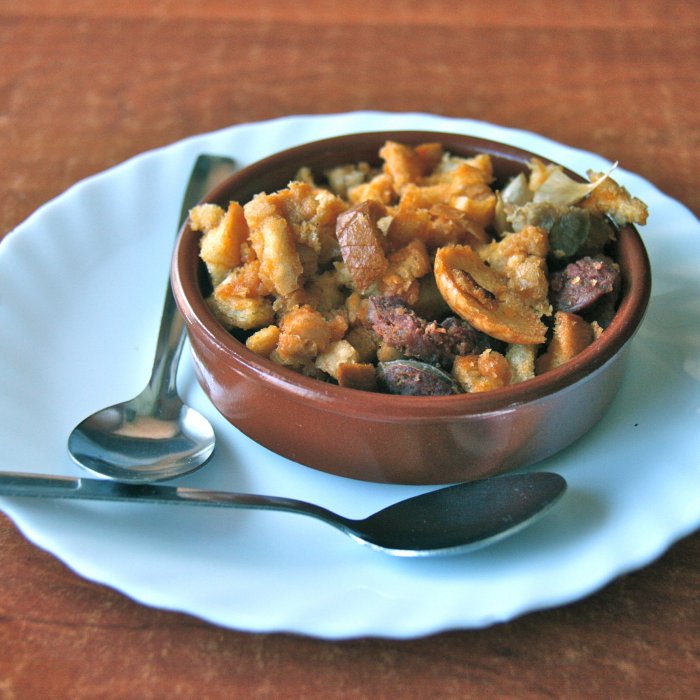
Migas
Try This Recipe!
Inspired by this article? Here's a delicious recipe you can make right now.
Migas
Related Articles

Christmas Cocktails & Mocktails: 10 Festive Drinks Ready in 5 Minutes
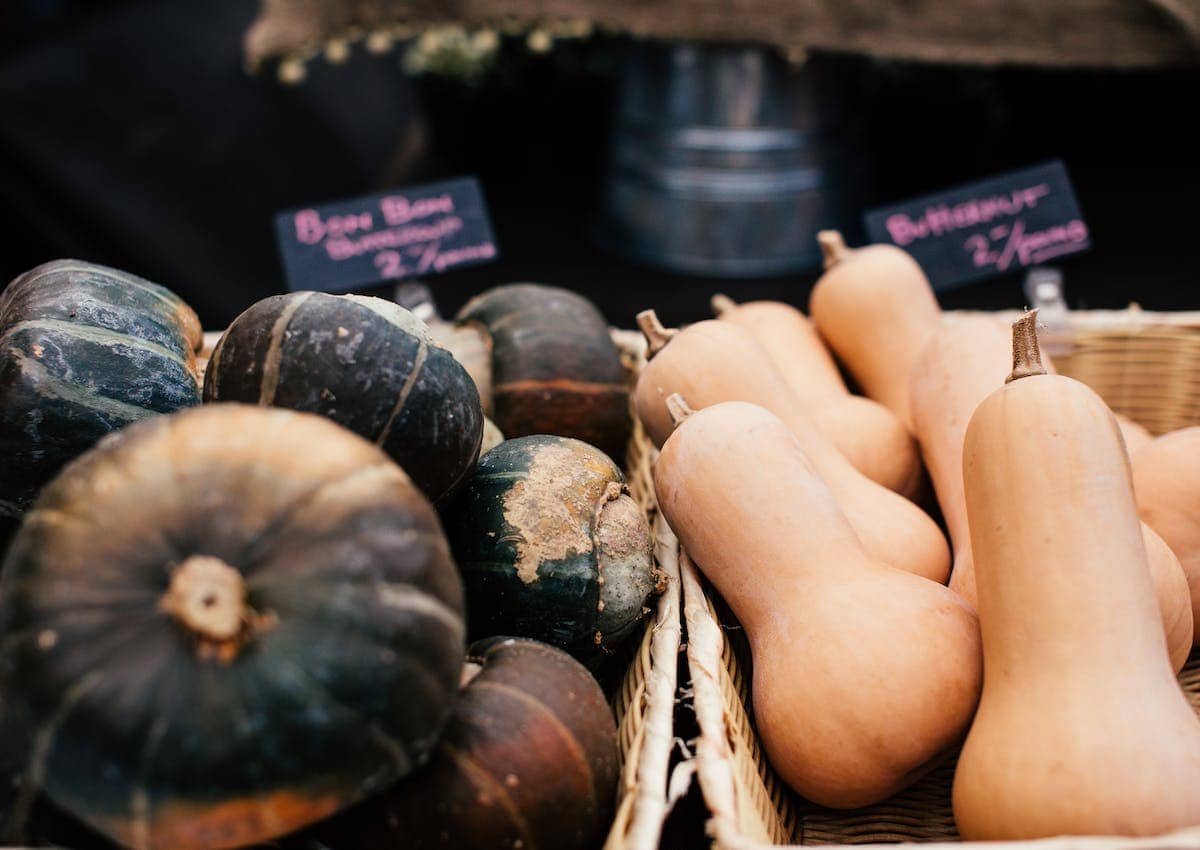
The Ultimate Guide to Winter Squash Varieties and Perfect Cooking Techniques