A Taste of Tradition: Unveiling the Rich History and Cultural Significance of Austrian Goulash

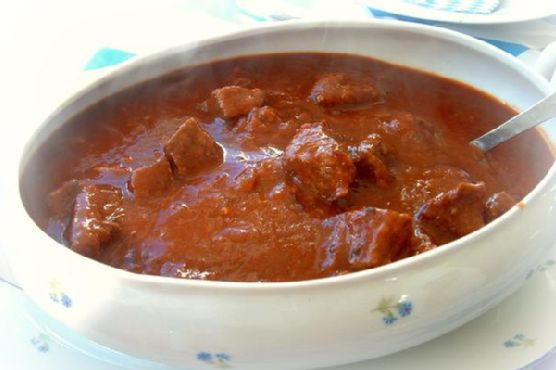
Where Flavor Meets Tradition: The Origins of Austrian Goulash
In the grand banquet of history, where cultures mingle and culinary traditions cross paths, few dishes have captured the essence of convergence quite like Austrian Goulash. Tracing its roots to the Austro-Hungarian Empire, this dish stands as a testament to the delicious possibilities arising from cultural exchange.
Back in the 19th century, Vienna wasn't just Europe’s musical heart; it was a melting pot of flavors and ideas. Enter Hungarian Goulash, rich with paprika and spices. Austrians, ever the pragmatists, embraced the essence of this bold dish but crafted a version more in tune with their palate. Enter Austrian Goulash, marked by a thicker consistency and a more restrained hand with the spice jar—think of it as Hungarian Goulash’s chill cousin.
Austro-Hungarian Harmony
The Austro-Hungarian culinary exchange was no mere culinary trend; it was an edible symbol of the era. Heurigen, those charming Viennese wine taverns, played a significant role in popularizing Goulash. They championed the dish, offering hearty bowls that patrons soon associated with warmth and hospitality. The adaptation featured core ingredients like beef, onions, and sweet paprika, striking a perfect balance—definitely comfort food in its prime.
Daily Life and Cultural Resonance
In those bustling 19th-century Viennese streets, Goulash quickly wove itself into the daily lives of Austrians. It was more than a dish; it was a unifying meal that bridged communities, a staple in households that stood the test of time. Rich and approachable, Goulash filled tables and hearts, becoming a dish that families shared, tweaked, and passed down proudly.
This cherished dish has persisted, not just as a historical artifact but as a living culinary tradition. Even today, modern Austrian kitchens echo with the aromas of simmering Goulash, proving that some things just never go out of style.
Austrian Goulash finds a spirit sibling in dishes like Skillet Lasagna Topped with Ricotta—both hearty, comforting meals that speak the universal language of love through food. As we savor these bowls of warmth, we bow to the past while indulging in the simple pleasure of flavors that transcend time and borders. It's this flavorful legacy that cements Goulash's place in Austrian cuisine and our hearts.
Unlocking Goulash's Secrets: Techniques and Tips for the Perfect Pot
Ready to conquer Austrian Goulash like a seasoned Viennese chef? Let's break down the essentials to get you crafting this rich, heartwarming classic like a pro.
Core Ingredients: The Holy Quartet
- Quality Beef: Opt for well-marbled cuts like chuck or brisket. These tenderize beautifully over long cooking sessions, releasing flavor into the broth.
- Onions: This isn't the time for skimping. A 1:1 onion-to-meat ratio is your golden rule. The onions provide a sweet backbone that counterbalances the dish's spices.
- Sweet Paprika: The magic spice that defines Goulash. Seek out high-quality, vibrant Hungarian sweet paprika. It should almost glow red, a testament to its freshness and flavor.
- Caraway Seeds: Just a sprinkle of these adds a fragrant, earthy undertone, historically tying the dish to its European roots.
Techniques to Master
-
Onion Caramelization: Slowly caramelize your onions until they're a deep, inviting gold. This could take a patient 30 minutes, but it's worth every second. Too pale, and you're robbing your Goulash of depth.
-
Slow Cooking: Patience is your best friend. Cook your Goulash over low heat for at least 2-3 hours. This coaxes out the flavors, resulting in a harmonious, rich gravy that's neither too thick nor too thin.
-
Avoid Over-Spicing: Balance is key. Think "aromatic," not "spicy hot". The paprika is the star—let it shine without overwhelming your taste buds.
Secret to Success: Resting Period
Once your pot of Goulash is done simmering, resist the temptation to dive in immediately. Letting it rest overnight can turn a good Goulash into a legendary one. This resting allows flavors to marry, creating a depth of taste that is decidedly more complex and satisfying.
Tools of the Trade
-
Heavy-Bottomed Pot: Essential for even heat distribution. A Dutch oven is perfect, preventing scorching during long, slow cooking.
-
Quality Paprika: Consider investing in a premium brand. Your taste buds will thank you.
With these tips in your culinary toolkit, you're well on your way to mastering Austrian Goulash. Ready to explore more comforting classics? Dive into our Skillet Lasagna Topped with Ricotta for a twist on traditional Italian, just another testament to the power of comfort food across cultures.
FAQ: Navigating the Goulash Map
What are some modern variations of Austrian Goulash?
Austrian Goulash is traditionally made with beef, but that doesn’t mean you can’t get creative. Modern twists include using venison or lamb, both of which bring a rich, gamey flavor that complements the classic spices beautifully. If you're feeling adventurous, try incorporating some seasonal vegetables to bring in new textures and flavors.
Are there any common misconceptions about the spices used in Goulash?
Absolutely. One myth is that “more is better” when it comes to spices. Traditional Austrian Goulash is all about balance, with sweet paprika as the star of the show. Caraway seeds and marjoram add subtle depth, so avoid the temptation to overpower them with extra heat.
What role do family recipes play in Goulash preparation?
Family recipes are the heart and soul of Goulash. Each generation tends to add its own flair, resulting in a rich tapestry of personal adaptations. Whether it’s a secret spice blend or an unconventional ingredient, these recipes serve as cherished heirlooms passed down through the ages.
How to fix common issues with flavor balance and consistency?
- Flavor Imbalance: If your Goulash tastes too hot or flat, a bit of rich beef broth or a splash of vinegar can tame the heat and add complexity.
- Consistency Problems: Too watery? Let it simmer uncovered to reduce. Too thick? Gently stir in some broth until you reach that perfect gravy-like texture.
What can we learn from Rosol in improving Goulash?
Rosol, a Polish Chicken Soup, teaches us about the power of patience in developing flavors. Like Rosol, allowing time for your Goulash to slowly simmer and then rest ensures that all ingredients meld seamlessly, resulting in a dish that’s as flavorful as it is comforting, staying true to the soul of Austrian cooking.
In the ever-evolving map of culinary traditions, Austrian Goulash remains a deliciously comforting stop. Share your cooking adventures and make your kitchen the newest chapter in this timeless tale.
From Age-Old Tradition to Modern Plate: Goulash in Contemporary Cuisine
Austrian Goulash has wandered far from its humble beginnings in picturesque kitchens of the past, strolling confidently into the world of contemporary cuisine. While the age-old essentials—like beef and sweet paprika—remain steadfast, modern chefs are adding their own pages to its culinary history. They're shaking things up, using alternative meats like venison or even wild boar, enhancing the dish's hearty essence without losing the comforting soul native to Austrian pots.
But the innovations don’t stop at what goes into the pot. Chefs today are infusing Goulash with new spices, finding a spice harmony that awakens the palate but still tips a hat to tradition. Imagine a dusting of smoked paprika or a hint of cinnamon riding alongside the classic caraway seeds. It’s a subtle yet bold dance of flavors that nods to the past while embracing the here and now.
What keeps Goulash firmly rooted in its Austrian culinary heritage is its unyielding role as a cultural icon. In kitchens across Austria, it stands proudly as a dish of togetherness, signaling comfort and celebration during family gatherings. With each simmering pot, families across the nation share not only food but also stories, passing them down like cherished heirlooms.
Today, Goulash doesn't just kick it old school; it also mingles confidently with other cuisines. Think of pairing your robust pot of Goulash with Skillet Lasagna Topped with Ricotta. The creamy ricotta perfectly complements Goulash's meaty depth, creating a symphony of flavors that’s as satisfying as slipping into your favorite pair of fuzzy socks. Or allow its smoky richness to cozy up to Spanish Chicken, coaxing out more vibrant flavors through shared company.
It's not just about crossing borders; it's about creating a fusion that appeals to contemporary palates hungry for novelty yet appreciative of authenticity. Such experiments are not just culinary exercises—they are passionate dialogues with history. Each new twist and tweak is a tribute to Goulash’s timelessness, sustaining its reputation as not just an age-old tradition, but as a dynamic, evolving chapter in the book of modern cuisine. Whether simmered for a few hours or lovingly prepared a day ahead, this dish remains a staple of comfort and the perfect testament to Austria's rich culinary heritage.
Try This Recipe!
Inspired by this article? Here's a delicious recipe you can make right now.

Honey Teriyaki Salmon
Try This Recipe!
Inspired by this article? Here's a delicious recipe you can make right now.
Honey Teriyaki Salmon
Related Articles

Seasonal Cooking: How to Shop and Cook with the Seasons
One-Pot Meals: Delicious Dinners with Minimal Cleanup
