A Timeless Duo: The Cultural History and Health Benefits of Strawberry Rhubarb Compote


The Sweet and Tart Chronicle: Unearthing the Origins of Strawberry Rhubarb Compote
Picture this: ancient China, 2700 BC—an empire bustling with medicinal wisdom, and at its heart, rhubarb, the golden child of herbal remedies. Known for its laxative properties and ability to break fevers, rhubarb was not just any plant; it was a pillar of traditional Chinese medicine. Fast forward a few centuries to the 14th century, when rhubarb made its debut on European soil, continuing its journey westward into the palates and pantries of the Old World.
But what about strawberries? These luscious, red jewels were discovered growing wild across the Americas, delighting indigenous peoples long before European settlers arrived. The Roman Empire didn't miss out either; they were quite keen on strawberries from the Northern European alpine areas. Yet, it wasn't until the 1750s in Brittany, France, that a modern hybrid—the strawberry we know and love today—came into existence.
So, when did these two very different characters meet to create the iconic compote? The romance blossomed in the 19th-century American kitchen. Thanks to rhubarb's European tour and strawberries being native to the Americas, it was only a matter of time before their contrasting flavors—rhubarb's tartness dancing with the sweet melody of strawberries—created culinary magic. Both ingredients were ripe for harvest in the spring and early summer, making them perfect partners in compote crime.
Not only was their union delicious, but it caught the attention of the health-conscious, as both fruits come packed with nutritional benefits. Rhubarb contributes fiber, vitamins C and K, and a splash of calcium and antioxidants to the mix, while strawberries bring their A-game with vitamin C, manganese, and folate. A guilt-free indulgence? Yes, please.
The compote quickly became a beloved staple at regional gatherings across the Midwest and Northeast United States. Its simplicity in preparation and crowd-pleasing taste ensured that it would be a mainstay in both modest family picnics and grand soirées. And why not complement your dessert duo with an After Dinner Cocktail? It’s a marriage of flavors that would have any 19th-century foodie tipping their hat.
In the kitchen, achieving that perfect balance of strawberry and rhubarb is key. The tart rhubarb and sweet strawberries come together beautifully at about 200°F (93°C), in a transformation as magical as homemade coffee ice cream churning to creamy perfection. Gently cooked to preserve nutrients and brighten those natural flavors, this compote might just be your new favorite treat. So, next time you’re in the market for a taste of history with a modern twist, give strawberry rhubarb compote a spin. Your taste buds—and your guests—will thank you.
Balancing Act: The Science Behind the Perfect Compote
Strawberry rhubarb compote is a culinary tightrope walk that ends in sweet success when done right. The pairing of tart rhubarb and sweet strawberries is an orchestra of flavor, playing on your taste buds like a perfectly in-tune symphony.
The Tart and the Sweet
Rhubarb's tartness isn't just a one-note experience. It's the zesty backbone that cuts through the sweetness of strawberries, creating a balance that sings. This is where our old friend, chemistry, comes into play. Strawberries naturally contain pectin, a type of soluble fiber that, when heated, helps thicken the compote beautifully without relying on artificial thickeners. And let's not forget the role of culinary acids. Adding a squeeze of lemon—or even a dash of ginger—can highlight the fruits' flavors, ensuring your compote isn't just good, but deliciously complex.
The Pectin Powerhouse
Pectin in strawberries is pivotal for achieving that dreamy consistency. It's the reason your compote isn't just a soupy mess but rather a luscious spread perfect for everything from breakfast toast to dessert garnish. The natural pectin content of strawberries kicks in when the mix reaches that sweet spot of around 200°F (93°C). This is the moment you witness a bit of kitchen magic—fibers break down, and flavors marry in a way that science-loving chefs can't get enough of.
Textural Alchemy
The texture of a compote hinges on the breakdown of cellulose in the fruits. As the strawberries and rhubarb cook, their cellular walls soften, enhancing their natural sweetness and ensuring every spoonful is a smooth yet slightly chunky masterpiece. But don't get too caught up in the heat of the moment—overcooking will leave you with a mushy shadow of what could have been.
Taste Bud Temptation
The flavors of strawberry rhubarb compote are pure comfort with a side of zing. For anyone obsessed with multi-layered flavors, trying an addition of spices like vanilla or a small dash of cinnamon is a game-changer—no Tchaikovsky reference here, just pure, delicious fun. The aromatic boost is akin to the warmth you get from our Beef Brisket Pot Roast, where flavors are deeply intertwined, offering a hearty embrace for your taste receptors.
In the world of fruit compotes, strawberry rhubarb isn't just a seasonal favorite—it's a testament to the art of balance and the wonders of kitchen chemistry. So, next time, grab those rosy stalks and vibrant berries and let them dance together in sweet-tart harmony. It's a dance your tongue will thank you for.
Nature's Dessert: Exploring the Nutritional Power of a Classic Compote
Strawberry rhubarb compote—it's the nostalgic blend of tart and sweet that tugs at your taste buds while quietly packing a nutritional punch. This dessert isn't just about flavor. It's a backstage pass to a world of vitamins, fiber, and antioxidants that leave your body feeling as grateful as your palate.
Vitamin Boost Strawberries and rhubarb, the dynamic duo of this vibrant compote, are no nutritional slouches. Strawberries boast a hefty dose of vitamin C, crucial for immune support and skin health—and they deliver a fair share of manganese and folate. Meanwhile, rhubarb brings vitamin K to the party, alongside calcium, ensuring your bones and joints are as happy as your stomach.
Antioxidants Aplenty Both fruits come loaded with antioxidants that you hear nutritionists rave about. Strawberries—with their anthocyanins and ellagic acid—help ward off chronic diseases and support heart health. Rhubarb isn't left in the dust either; it offers its fair share of anthocyanins, giving your body an antioxidant boost to tackle oxidative stress.
Fiber Content: The Unsung Hero Don't underestimate the power of fiber in this dessert delight. A serving of strawberry rhubarb compote sneaks in around 2 grams of fiber. This helps keep your digestive system smiling and can aid in maintaining a healthy weight by promoting fullness.
Making It Healthier Sure, it’s a sweeter option, but it’s a smarter one too. A typical serving might set you back just about 50 calories. If you're skirting away from sugar, consider using natural sweeteners like honey or agave syrup to preserve the compote’s distinct flavor without sending your sugar levels soaring.
Caloric Considerations The beauty of this compote lies in its modest caloric footprint, making it a guilt-free treat. Unlike heavy, creamy desserts, it offers sweetness and satisfaction without the waistband regret. But balance is key; even with its healthy charm, moderation and portion control allow you to relish without reservations.
When you pair this compote with something indulgent yet complementary, like our homemade Home made coffee ice cream, you elevate it from simple to stunning. Imagine delighting in the cold creaminess of coffee glossed with warm compote—a dessert that’s both decadent and health-conscious.
So go ahead, ladle a generous helping of this compote onto your plate. Whether it’s the centerpiece for a celebratory feast or a simple finishing touch to your everyday meal, strawberry rhubarb compote fills you up with goodness in every spoonful.
From Garden to Table: Mastering the Art of Compote Making
There's something profoundly satisfying about turning fresh, seasonal produce into a luscious strawberry rhubarb compote. It's a celebration of spring and early summer, capturing the essence of ripe strawberries and tart rhubarb in a dish that feels like it’s been transported from Grandma's kitchen straight to yours.
Step-by-Step Techniques for the Perfect Compote
-
Pick the Best Produce: Make friends with your local farmers’ market. Fresh ingredients make all the difference. Strawberries should be juicy and plump—no white shoulders, please. Rhubarb stalks should be firm and brightly colored; these fresh finds will preserve nutrients and enhance flavor.
-
Prepare Mindfully: Wash everything thoroughly. Remember, rhubarb leaves are a no-go. They're toxic, thanks to oxalic acid. Stick to the stalks and trim those ends.
-
Balance the Flavors: Combine roughly equal parts strawberries and rhubarb in your pot. This classic duo plays into each other beautifully—the rhubarb's sour punch counters the sweetness of the strawberries.
-
Sweeten Naturally: Chuck the refined sugar for something more wholesome. Honey, maple syrup, or agave can sweeten the pot without dulling the fruit’s natural brightness. You’ll preserve some of those vitamins and antioxidants while keeping your nutritional conscience clear.
-
Consider Your Spices: To elevate the compote, toss in a cinnamon stick or a whisper of fresh ginger. A splash of vanilla extract or the zest of a lemon can add layers of flavor complexity that make every bite a new experience.
-
Cook to Perfection: Aim for a low simmer at 200°F (93°C). You want to break down the fruit gently, about 20-30 minutes should do it. This temperature preserves nutrients while melding the flavors seamlessly.
-
Monitor Consistency: No one wants a soupy mess. Keep an eye on it to avoid overcooking, which can lead to mushiness. Stir occasionally and pull it off the heat once it hits the right texture—thick, but still pourable.
Bringing It All Together
Pair your homemade compote with our decadent Home made coffee ice cream or drizzle it over Greek yogurt for a more breakfast-y vibe. Either way, you’ll have a dish worthy of sharing at any gathering or with your own taste buds at the table.
With these steps, you're not just making compote—you're crafting a tradition, one spoonful at a time. So grab that apron, roll up your sleeves, and transform those garden treasures into a dessert that’s as timeless as it is tasty. Share this with friends, because like all good things, this sweet symphony of flavors is best enjoyed together.
Avoiding Common Missteps: Troubleshooting Your Compote Creations
Let's dive into the world of strawberry rhubarb compote, where triumphs are sweet but missteps can turn tart quickly. Here are some snags to watch out for and how to smooth them over in your culinary journey.
The Great Leaf Misunderstanding
First things first: rhubarb leaves. They may look innocent, but they're a no-go due to rhubarb toxicity. The leaves contain oxalic acid, which is toxic. Stick to those delightful pink stalks and you'll stay on the safe side of the gardening fence.
Timing is Everything
Overcooking fruit is a compote catastrophe waiting to happen. Leave it on the heat too long, and you’ll end up with a mushy, sad puddle devoid of its vibrant personality. Keep your dish at a gentle simmer, around 200°F (93°C), and pull it off once the fruit is soft but still holds a bit of its shape. A watched pot may never boil, but in this case, it'll keep your compote just right.
Balancing Act of Flavors
The delicate tango between too tart and too sweet is where the magic (or mayhem) happens. If your compote tastes a bit like a sugar overdose fear not—just squeeze in a dash of lemon juice to level things out. Conversely, a compote that makes you pucker needs a touch of honey or a sprinkle of another natural sweetener like agave syrup.
Experimentation Station
Getting the perfect compote sometimes involves playing mad scientist. Don’t be afraid to experiment:
- Proportions: Adjust the ratio of strawberries to rhubarb to suit your palate. More rhubarb for a tangier experience, more strawberries if you lean towards the sweet side.
- Sweeteners: Beyond sugar, experiment with honey or maple syrup for a deeper flavor profile.
- Spices and Add-Ins: Try fresh ginger, a cinnamon stick, or the zest of citrus fruits for unexpected flavor dimensions.
Final Pairing Suggestions
Now that your compote has turned into a pot of perfection, serve it over a scoop of our Home made coffee ice cream for an adventurous flavor contrast. Every spoonful will be like a well-harmonized duet of fresh fruits and rich, creamy decadence.
Channel your inner alchemist and transform those humble garden ingredients into a dessert masterpiece that might just steal the spotlight at your next gathering. Share these tips with friends—after all, the best kitchen secrets are meant for passing around.
FAQ Section: Baking Up Answers
How should I store my strawberry rhubarb compote?
Once you've created your fruity masterpiece, storing it properly is key to preserving both flavor and nutritional benefits. Keep your compote in an airtight container in the fridge. It should stay fresh for up to a week. For longer storage, consider freezing it in portion-sized containers. This way, you can enjoy bursts of summer sunshine even in the depths of winter!
What's the best way to preserve the flavor and nutrition of my compote?
To keep the vibrant taste and health benefits intact, cook the compote gently. Avoid overcooking, which can break down the natural sugars and vitamins. Aim for a cooking temperature around 200°F (93°C) and remember, a splash of lemon juice can brighten your compote and reduce the need for extra sugar.
Can I substitute other fruits for strawberries or rhubarb?
Absolutely! If strawberries aren't in season, raspberries or blackberries make excellent stand-ins. For those moments when rhubarb isn't available, try tart fruits like cranberries or tart apples. While these swaps will alter the traditional flavor, they can add a unique twist to your compote. Just remember: balance is key. Taste as you go to make sure the sweetness and tartness are in harmony.
Got dietary restrictions? No problem!
Whether you're cutting down on sugar, avoiding gluten, or seeking a vegan-friendly option, strawberry rhubarb compote is versatile. Use natural sweeteners like honey or maple syrup for a refined sugar-free version. For a vegan recipe, swap honey for agave syrup. Remember, the compote itself is naturally gluten-free, making it a guilt-free treat for many.
For dessert enthusiasts, pairing your compote with a scoop of our Home made coffee ice cream creates a dessert duo that sings with every spoonful. The creamy richness against the sweet-tart compote is an experience you won't want to miss. Go ahead, share these compote secrets with a friend, and spread the love of this timeless dessert duo.
Try This Recipe!
Inspired by this article? Here's a delicious recipe you can make right now.
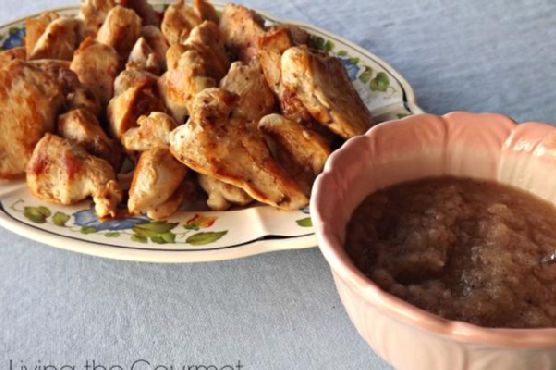
Brined Chicken Breast with Sautéed Onion Dipping Sauce
Try This Recipe!
Inspired by this article? Here's a delicious recipe you can make right now.
Brined Chicken Breast with Sautéed Onion Dipping Sauce
Related Articles
Mediterranean Flavors: A Journey Through Greek and Turkish Cooking
Exploring Italian Cuisine: Beyond Pasta and Pizza