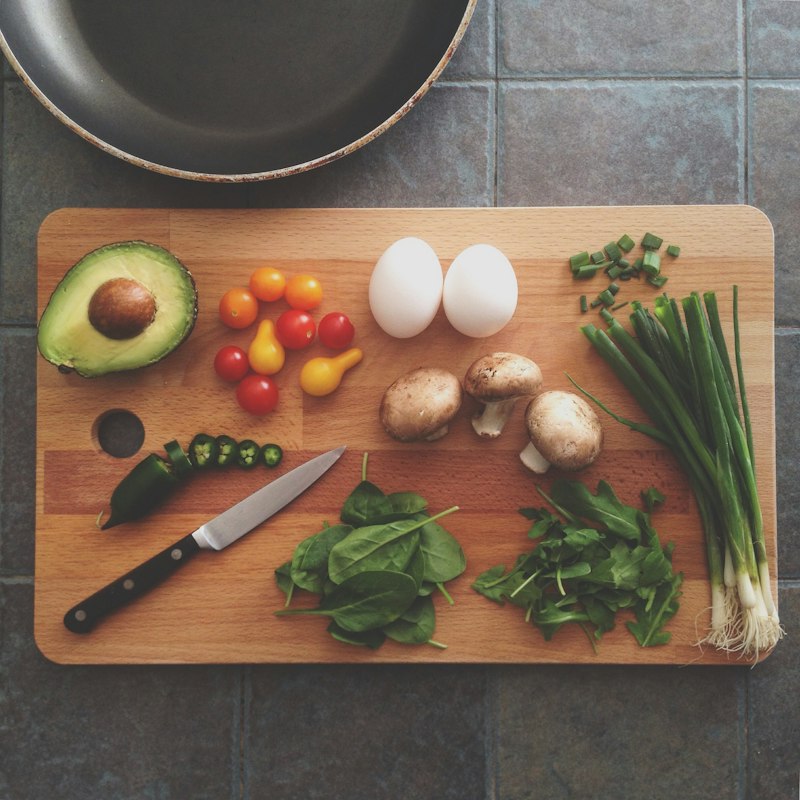
The Ultimate Guide to Cast Iron Cooking: Care, Seasoning, and Recipes


The Ultimate Guide to Cast Iron Cooking: Care, Seasoning, and Recipes
Cast iron cookware is a timeless kitchen staple, known for its durability, versatility, and ability to enhance the flavors of your dishes. Whether you're a seasoned chef or a home cook, mastering the art of cast iron cooking can elevate your culinary skills and transform your meals. In this ultimate guide, we'll explore the essential aspects of cast iron care, seasoning, and provide you with a collection of delectable recipes that will make your taste buds dance.
Why Choose Cast Iron?
The History and Evolution of Cast Iron
Cast iron cookware has been a kitchen favorite for centuries, with its origins dating back to ancient China. The material gained popularity in Europe during the Middle Ages and eventually made its way to the New World. Today, cast iron remains a beloved choice for cooks worldwide due to its longevity and superior heat retention.
Benefits of Cooking with Cast Iron
- Durability: Cast iron can last for generations if properly cared for.
- Versatility: Suitable for a variety of cooking methods, including frying, baking, and grilling.
- Natural Non-Stick Surface: When seasoned correctly, cast iron provides a natural non-stick surface.
- Even Heat Distribution: Retains and distributes heat evenly, perfect for searing and browning.
Understanding Cast Iron Care
Cleaning Your Cast Iron Cookware
Proper cleaning is crucial to maintaining the quality of your cast iron. Follow these steps:
- Hand Wash Only: Avoid using a dishwasher. Use warm water and mild soap if necessary.
- Scrub Gently: Use a soft brush or non-abrasive pad to remove food residues.
- Dry Immediately: Prevent rusting by drying your cast iron thoroughly after washing.
The Importance of Seasoning
Seasoning is the process of creating a protective layer of oil on the cast iron surface, ensuring its non-stick properties and preventing rust.
How to Season Your Cast Iron
- Clean Thoroughly: Remove any old food particles and dry completely.
- Apply Oil: Use a high smoke point oil, like flaxseed or vegetable oil, and rub it evenly over the surface.
- Bake in Oven: Place the cookware upside down in an oven at 375°F (190°C) for an hour.
- Cool and Store: Let it cool in the oven before storing.
Troubleshooting Common Issues
Dealing with Rust
If you notice rust on your cast iron, don’t panic. Here's how to restore it:
- Scrub the Rust: Use fine steel wool to gently remove rust.
- Reseason: Follow the seasoning process to restore the protective layer.
Tackling Sticky Residue
Sticky residue can occur if too much oil is used during seasoning. Remedy this by:
- Re-washing: Clean with hot water and a small amount of soap.
- Re-seasoning: Apply a thinner coat of oil and bake again.
Cooking Techniques and Recipes
Searing and Browning
The high heat retention of cast iron is ideal for searing meats. Try our seared steak recipe for a juicy, flavorful dish.
Baking with Cast Iron
Cast iron skillets can double as bakeware. Enjoy our delicious cornbread recipe straight from your skillet.
Grilling and Smoking
Utilize a cast iron griddle for grilling indoors. Explore our grilled vegetable medley for a healthy side dish.
Deep Dive: The Science Behind Cast Iron
Heat Retention and Distribution
The density of cast iron allows it to retain and evenly distribute heat, making it perfect for dishes requiring consistent temperatures.
The Chemistry of Seasoning
When oil is heated on cast iron, it undergoes polymerization, forming a hard, plastic-like layer that bonds to the surface, creating a non-stick effect.
FAQ
How do I prevent my cast iron from sticking?
Ensure it's well-seasoned and preheated before adding food.
Can I use soap on my cast iron?
Yes, but sparingly and ensure it is rinsed thoroughly to prevent soap residue.
What oils are best for seasoning?
High smoke point oils like flaxseed and vegetable oils are ideal choices.
Conclusion
Mastering the art of cast iron cooking is a rewarding endeavor that can enhance both the flavor and texture of your dishes. With proper care and seasoning, your cast iron cookware can become a cherished kitchen companion for years to come. Whether you're searing, baking, or grilling, these versatile pans offer endless possibilities for culinary creativity. Dive into our selection of healthy recipes and let your cast iron adventures begin.
Try This Recipe!
Inspired by this article? Here's a delicious recipe you can make right now.
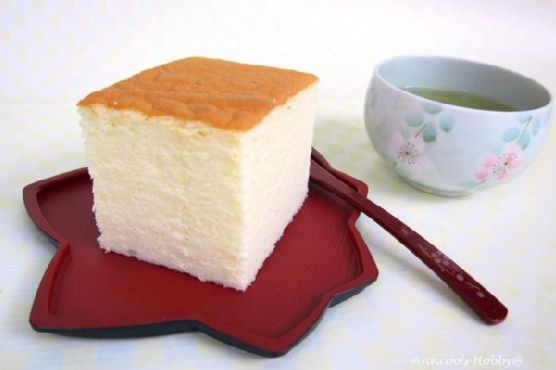
Repost - Japanese Cotton Cheesecake
Try This Recipe!
Inspired by this article? Here's a delicious recipe you can make right now.
Repost - Japanese Cotton Cheesecake
Related Articles
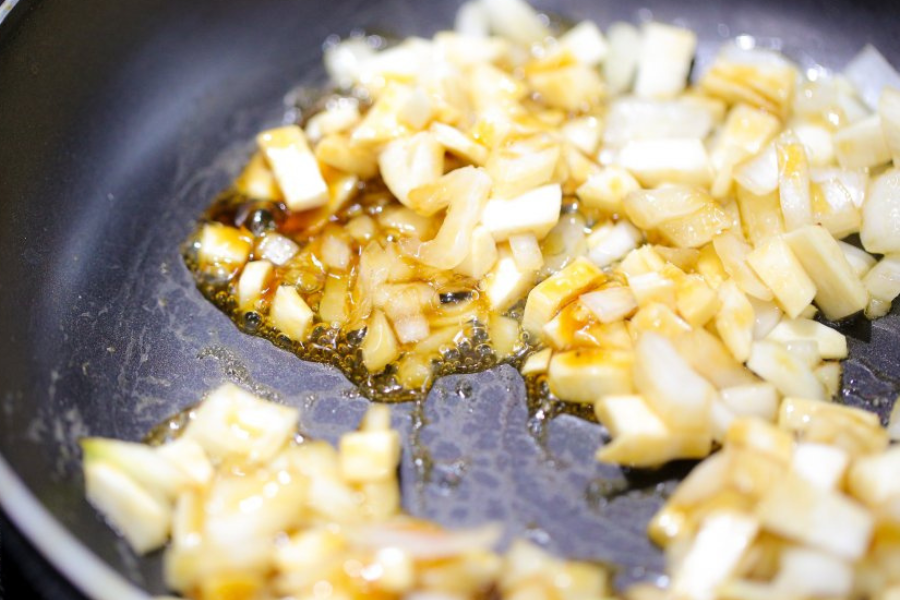
How to Build Flavor Layers: The Foundation of Every Great Dish
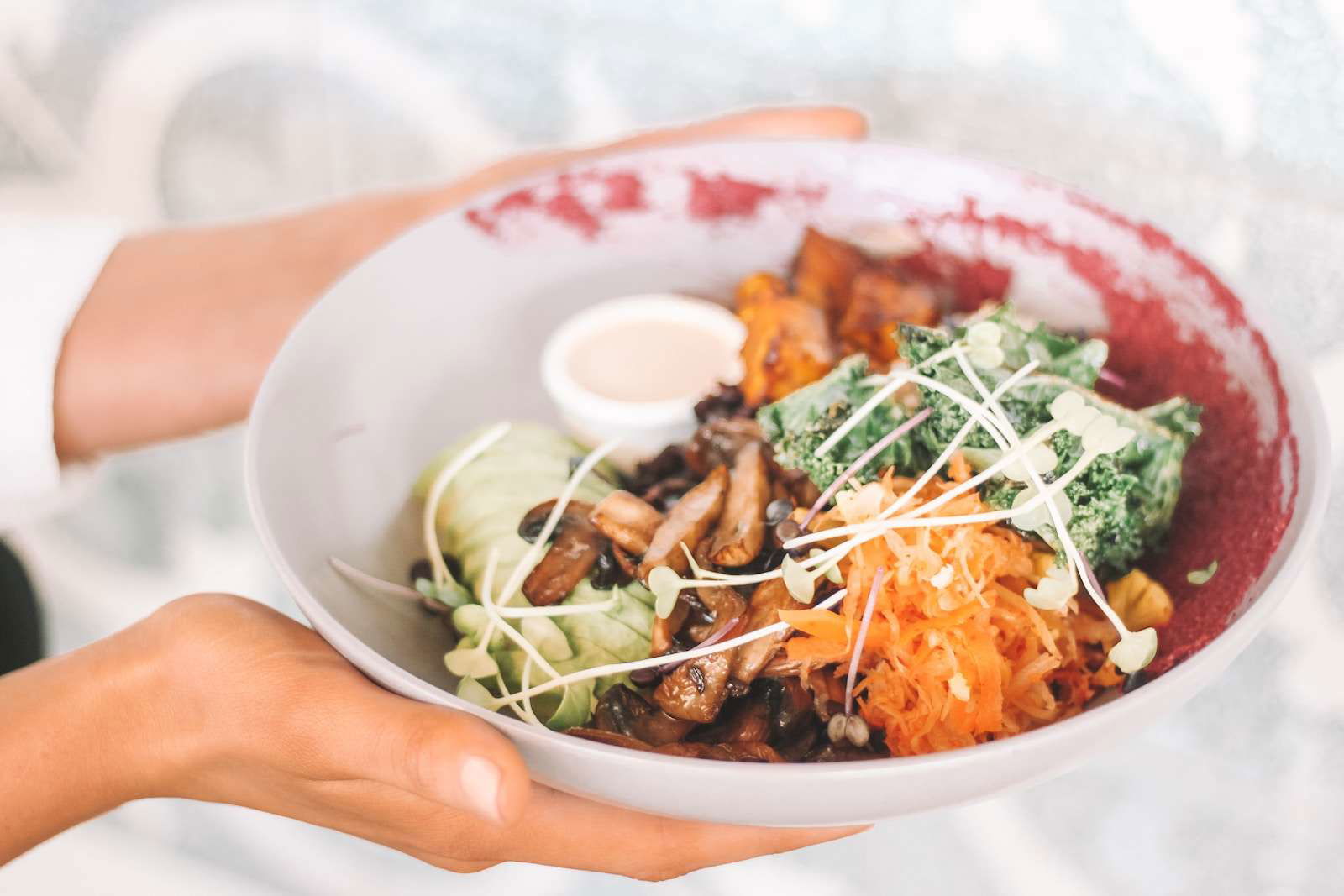
The Complete Guide to Plant-Based Protein Sources Beyond Tofu