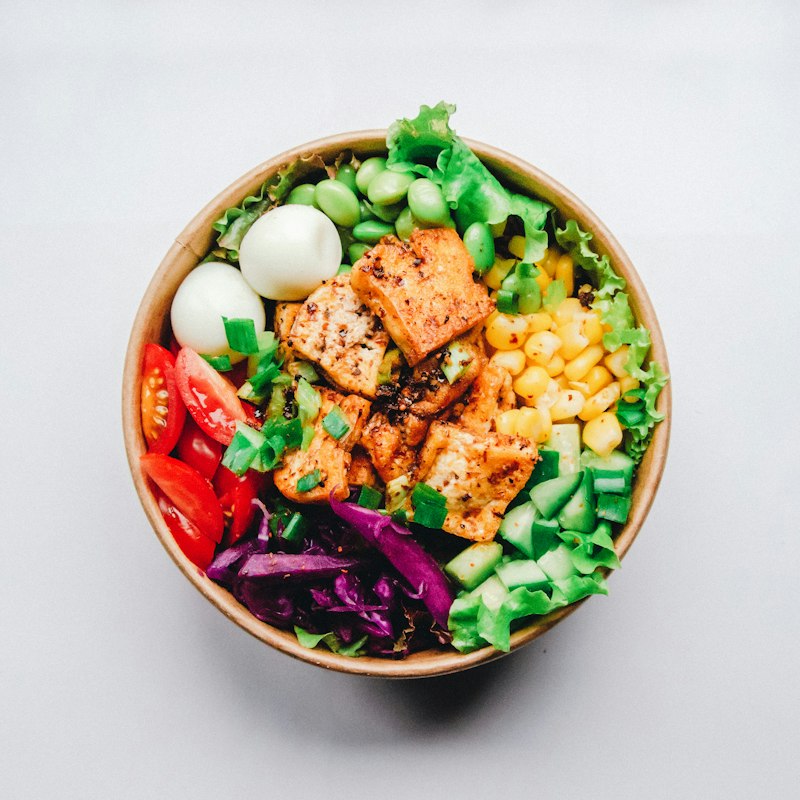
How to Build Flavor Layers: The Foundation of Every Great Dish

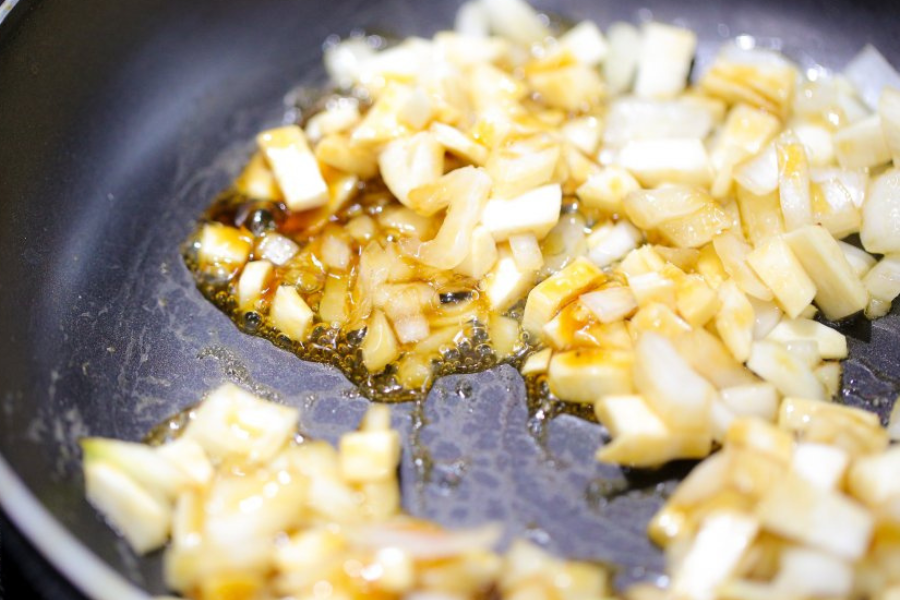
How to Build Flavor Layers: The Foundation of Every Great Dish
Creating depth and complexity in your culinary creations is akin to orchestrating a symphony, where each ingredient plays its unique part. In the world of cooking, achieving layers of flavor is a skill that transforms meals from ordinary to extraordinary. This comprehensive guide will delve into the art and science of flavor layering, providing you with the knowledge to enhance your dishes.
Understanding Flavor Layering
Flavor layering is the art of combining various ingredients in a way that enhances their individual characteristics while creating a harmonious whole. This technique is not just for professional chefs; home cooks can master it to bring restaurant-quality dishes to their tables.
The Science Behind Flavor
At its core, flavor is a combination of taste, aroma, and texture. Each of these elements contributes to how we perceive food. Understanding the interplay of these components is crucial in building flavor layers.
- Taste: This includes the basic tastes – sweet, salty, sour, bitter, and umami. Each taste can enhance or balance the others.
- Aroma: The smell of food significantly influences our perception of flavor. Aromatic ingredients like herbs and spices can add depth and complexity.
- Texture: The mouthfeel of an ingredient affects how flavor is perceived. Crunchy, creamy, or chewy textures can add interest to a dish.
Essential Techniques for Flavor Layering
Sautéing and Caramelizing
Sautéing and caramelizing are foundational techniques for building flavor layers. By cooking ingredients at high temperatures, sugars are developed, leading to complex, rich flavors.
- Sautéing Onions and Garlic: Begin by cooking onions until translucent, then add garlic towards the end to prevent it from burning.
- Caramelizing Vegetables: Carrots and other root vegetables develop sweetness when caramelized, adding depth to soups and stews.
Using Stocks and Broths
Stocks and broths serve as the backbone of many dishes, providing a rich base upon which other flavors are built. A well-made stock is infused with the essence of its ingredients, from bones to vegetables.
- Homemade vs. Store-bought: Homemade stocks offer unmatched depth, but high-quality store-bought options can be enhanced with additional herbs and spices.
- Reducing for Intensity: Reducing stocks concentrates their flavors, making them perfect for sauces and gravies.
Building Complexity with Seasonings
The Role of Salt and Acid
Salt and acid are critical in balancing and enhancing flavors. Salt enhances sweetness and umami, while acids like lemon juice or vinegar brighten and balance dishes.
- Season As You Go: Adding salt at various stages of cooking allows flavors to develop more fully.
- Acid for Brightness: A splash of vinegar or citrus at the end of cooking can transform a dish, enlivening its flavors.
Incorporating Herbs and Spices
Herbs and spices are invaluable tools for adding layers of flavor. They can be used fresh or dried, each offering distinct characteristics.
- Fresh vs. Dried: Fresh herbs lend vibrant flavor, while dried herbs contribute depth and complexity over time.
- Timing Matters: Add hardy herbs early in cooking and delicate herbs like basil at the end to preserve their flavor.
Advanced Techniques for Flavor Layering
Marinating for Depth
Marinating infuses ingredients with flavor before cooking, allowing them to absorb seasonings deeply.
- Marinades for Meat and Vegetables: Use acidic ingredients like yogurt or vinegar to tenderize, while herbs and spices add complexity.
Infusing Oils and Vinegars
Infused oils and vinegars can add subtle yet impactful layers of flavor to your dishes.
- Herb-Infused Oils: Use rosemary or thyme to create aromatic oils for drizzling over roasted vegetables.
- Spiced Vinegars: Infuse vinegar with chilies or garlic for a zesty finish to salads or marinades.
Troubleshooting Common Mistakes
Overpowering Flavors
- Balancing Bold Ingredients: Use restraint with potent ingredients like garlic or hot peppers, balancing them with milder elements.
Undersalting or Over-Salting
- Correcting Seasoning Errors: Gradually add salt, tasting as you go. If over-salted, balance with a touch of acid or sugar.
FAQs About Flavor Layering
What is the importance of timing in flavor layering?
Timing ensures that each ingredient reaches its peak flavor and texture. Start with ingredients that require longer cooking times.
Can I build flavor layers in plant-based dishes?
Absolutely! Use vegetable stocks, umami-rich ingredients like mushrooms, and a variety of herbs and spices to build complexity.
Conclusion
Mastering the art of flavor layering is a journey that elevates your cooking to new heights. By understanding the principles of taste, aroma, and texture, and employing techniques like sautéing, marinating, and infusing, you can create dishes that delight the senses. Embrace this culinary symphony, and transform your meals into unforgettable experiences.
Discover more healthy recipes and explore the world of culinary techniques to continue your culinary journey.
Try This Recipe!
Inspired by this article? Here's a delicious recipe you can make right now.
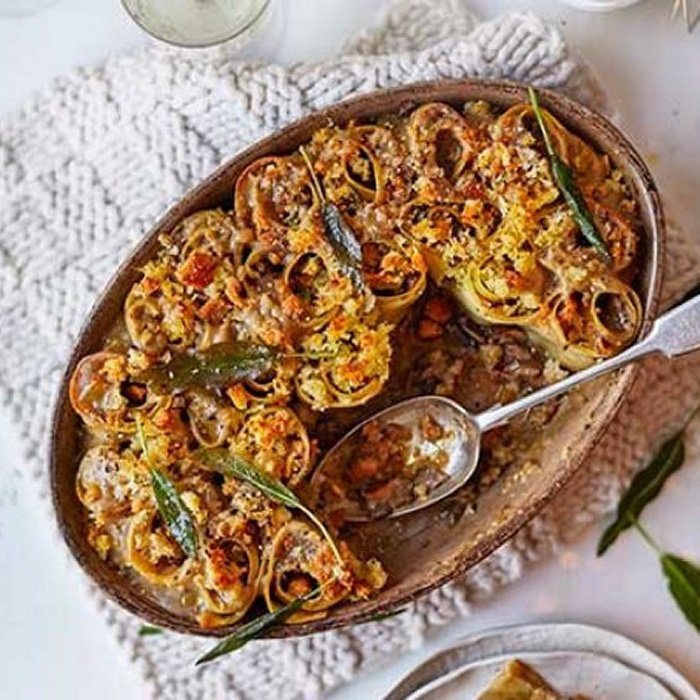
Mushroom & Chestnut Rotolo
Try This Recipe!
Inspired by this article? Here's a delicious recipe you can make right now.
Mushroom & Chestnut Rotolo
Related Articles
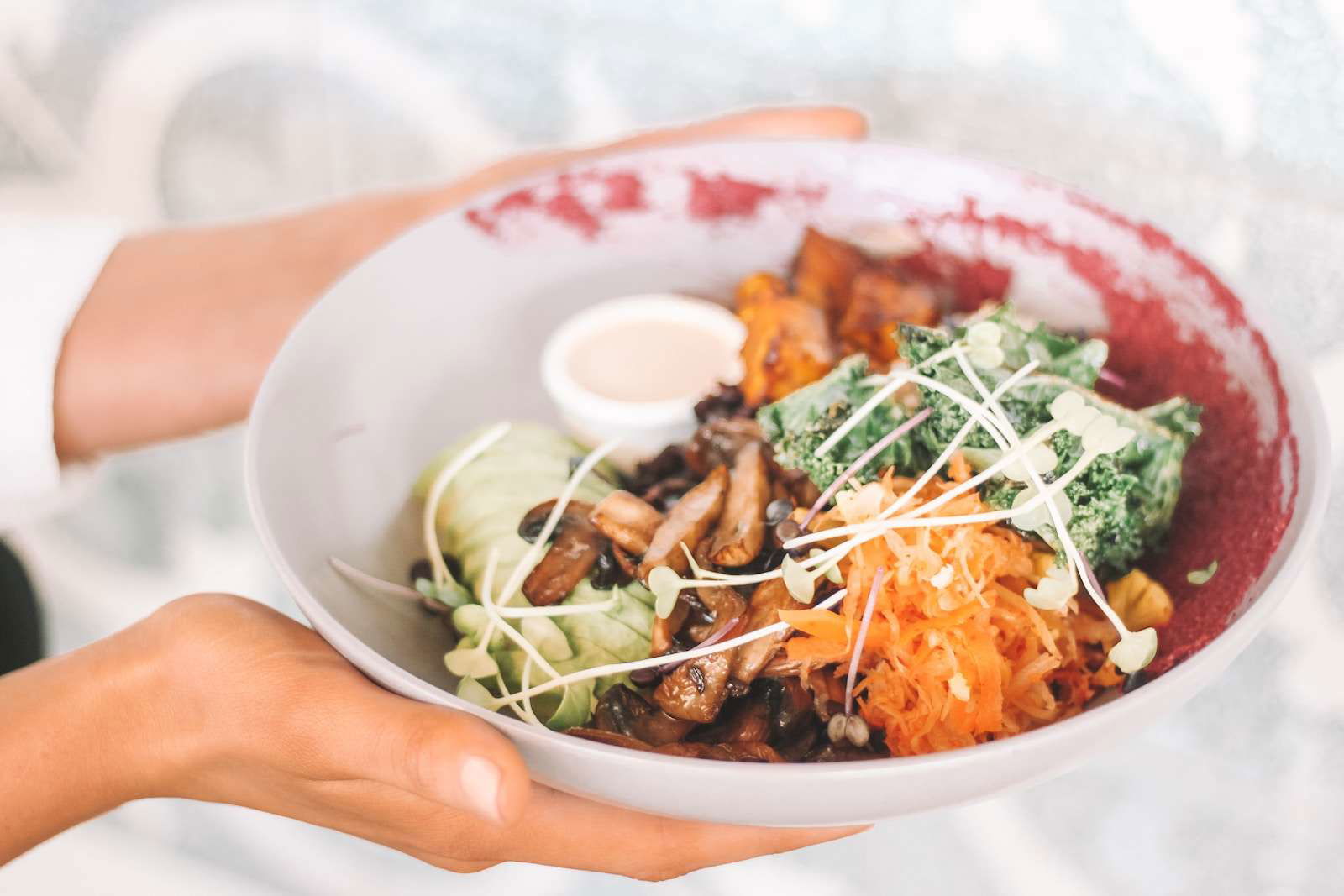
The Complete Guide to Plant-Based Protein Sources Beyond Tofu
Mastering Cooking Techniques: Sautéing, Roasting, and Braising