Diving into Vietnamese Pho: From Bone Broth to the Perfect Bowl


Introduction: Embracing the Essence of Pho
Pho, a fragrant and hearty noodle soup, is synonymous with Vietnamese cuisine. Its allure lies in the harmonious blend of aromatic, savory broth, tender meat, and fresh herbs. This guide is your comprehensive path to understanding and mastering Pho, from its historical roots to crafting the perfect bowl.
The Historical Journey of Pho
Pho's origins trace back to Northern Vietnam in the early 20th century. Its evolution, influenced by French culinary practices during the colonial era, reflects a fusion of local and foreign techniques. The word 'Pho' itself is believed to be derived from the French word 'pot-au-feu', a beef stew, highlighting this blend.
The Influence of Geography
Pho's variation across Vietnam is a testament to its adaptability. Northern Pho, or 'Pho Bac', is known for its clear, subtle broth, while Southern Pho, or 'Pho Nam', is richer and sweeter, often accompanied by a plethora of herbs and garnishes.
The Science Behind the Broth
The broth is the soul of Pho, demanding attention to detail and patience. It begins with the selection of bones, primarily beef, to extract collagen and flavor, which gives the broth its body and richness.
Techniques for a Clear Broth
A clear, flavorful broth is achieved through blanching bones to remove impurities, followed by a slow simmering process. Aromatics like charred onion, ginger, and spices such as star anise and cinnamon infuse the broth with depth.
The Role of Umami
Pho's umami comes from fish sauce and occasionally dried seafood, a nod to the umami-rich ingredients found in Vietnamese cooking.
Crafting the Perfect Pho Bowl
Creating an authentic Pho experience involves balancing flavors and textures. This section walks you through assembling a bowl that sings with harmony.
Selecting the Right Noodles
Rice noodles, specifically 'Banh Pho', should be tender yet resilient. They are briefly blanched to maintain their texture.
Choosing the Meat
Traditionally, thin slices of beef are used, with variations including brisket, tripe, and meatballs. The meat is cooked by the broth's heat, ensuring tenderness.
Garnishes: Freshness and Flavor
Bean sprouts, Thai basil, cilantro, and lime provide freshness, while hoisin and sriracha offer customizable heat and sweetness.
Deep Dive: Enhancing Broth Flavor
While traditional methods are revered, modern techniques using pressure cookers can expedite the process while maintaining quality.
Pressure Cookers and Pho
Using a pressure cooker significantly reduces cooking time, preserving the broth's depth and clarity.
Troubleshooting and Common Mistakes
Avoid common pitfalls such as cloudy broth or overcooked noodles with these expert tips:
Ensuring Broth Clarity
Always skim impurities and maintain a gentle simmer to prevent cloudiness.
Perfect Noodle Texture
Avoid soaking noodles for too long, which can lead to mushiness.
Frequently Asked Questions
What Makes Pho Different from Other Noodle Soups?
Pho's distinct flavor comes from its unique combination of spices and herbs, setting it apart from other Asian noodle soups.
Can Pho Be Made Vegetarian?
Yes, a vegetable-based broth with tofu or mushrooms can substitute for meat, offering a lighter yet flavorful alternative.
Conclusion: The Joy of Pho
Pho is more than a dish; it's an experience that captures the essence of Vietnamese culture. Whether enjoyed on a bustling street in Hanoi or recreated at home, Pho is a culinary journey worth embarking on. For those eager to explore more Asian cuisines, check out our healthy recipes for further inspiration.
Try This Recipe!
Inspired by this article? Here's a delicious recipe you can make right now.
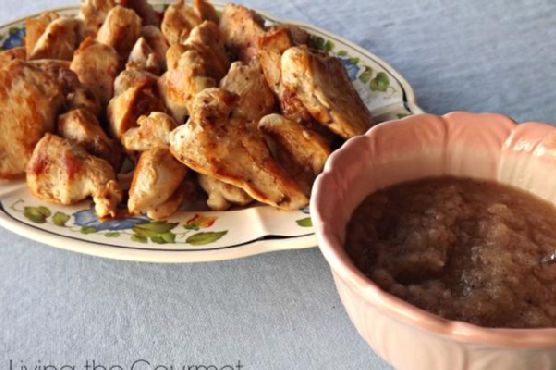
Brined Chicken Breast with Sautéed Onion Dipping Sauce
Try This Recipe!
Inspired by this article? Here's a delicious recipe you can make right now.
Brined Chicken Breast with Sautéed Onion Dipping Sauce
Related Articles
How to Build Flavor Layers: The Foundation of Every Great Dish
The Complete Guide to Plant-Based Protein Sources Beyond Tofu