Comprendre les températures de cuisson : un guide complet sur la sécurité alimentaire

Comprendre les températures de cuisson : un guide complet sur la sécurité alimentaire
La cuisson de la viande est un exercice d’équilibre. Faites-le cuire trop peu et vous risquez des maladies d'origine alimentaire. Faites trop cuire et vous obtenez du cuir pour chaussures.
La seule façon de gagner ce jeu est d'utiliser un thermomètre à lecture instantanée.
Les numéros de sécurité (directives USDA)
Voici les températures internes minimales que vous devez connaître :
- Volaille (Poulet, Dinde, Canard) : 165°F (74°C)
- Conseil : Les cuisses ont souvent meilleur goût cuites à 175 °F, car elles décomposent le tissu conjonctif.
- Viandes hachées (bœuf, porc, agneau) : 160°F (71°C)
- Les bactéries vivent à la surface de la viande. Une fois broyée, cette surface est mélangée partout, elle doit donc être bien cuite.
- Coupes entières de bœuf/agneau (steaks, rôtis) : 145°F (63°C) avec un repos de 3 minutes
- Ceci est pour Medium. Medium Rare est techniquement de 130-135°F, ce que de nombreux chefs préfèrent, bien que l'USDA recommande une température plus élevée pour une sécurité absolue.
- Porc (Côtelettes, Rôtis) : 145°F (63°C) avec un repos de 3 minutes
- L'époque du porc sec et gris est révolue ! Un peu de rose au milieu est sûr et délicieux.
- Poisson : 145 °F (63 °C) ou jusqu'à ce que la chair soit opaque et se sépare facilement à la fourchette.
Cuisson de report
C'est crucial : La viande continue de cuire une fois que vous l'avez retirée du feu.
Un gros rôti peut monter de 5 à 10 degrés pendant qu’il repose. Si vous souhaitez que votre poulet rôti soit à 165°F à table, sortez-le du four à 160°F. Si vous le tirez à 165°F, il pourrait finir à 170°F+ et sécher.
Comment sonder
Insérez le thermomètre dans la partie la plus épaisse de la viande, en évitant les os, la graisse ou les cartilages. Pour un poulet entier, vérifiez l’intérieur de la cuisse près de la poitrine.
Vous n'avez pas de recette pour ce soir ? Utilisez vos nouvelles connaissances sur un Poulet rôti fiable.
Essayez cette recette !
Inspiré par cet article ? Voici une délicieuse recette à préparer dès maintenant.
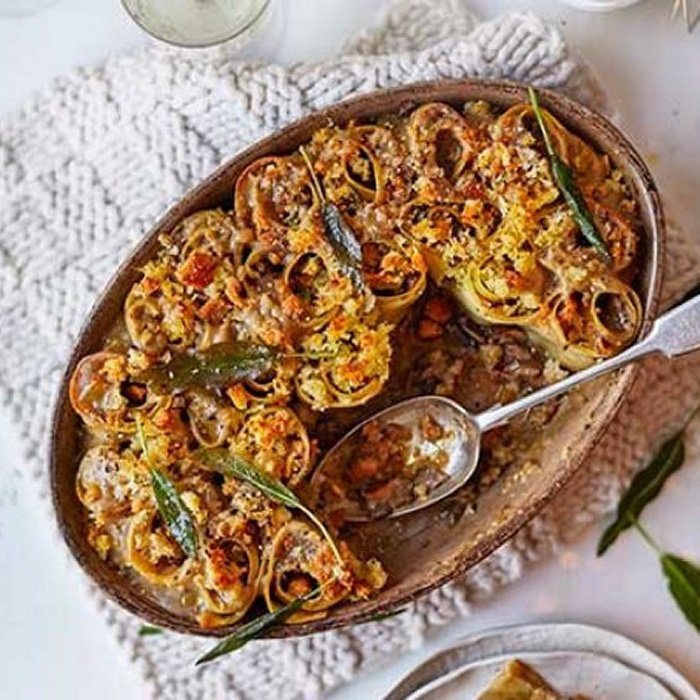
Mushroom & Chestnut Rotolo
Essayez cette recette !
Inspiré par cet article ? Voici une délicieuse recette à préparer dès maintenant.
Mushroom & Chestnut Rotolo
Articles Connexes
Comment créer des couches de saveurs : la base de chaque bon plat
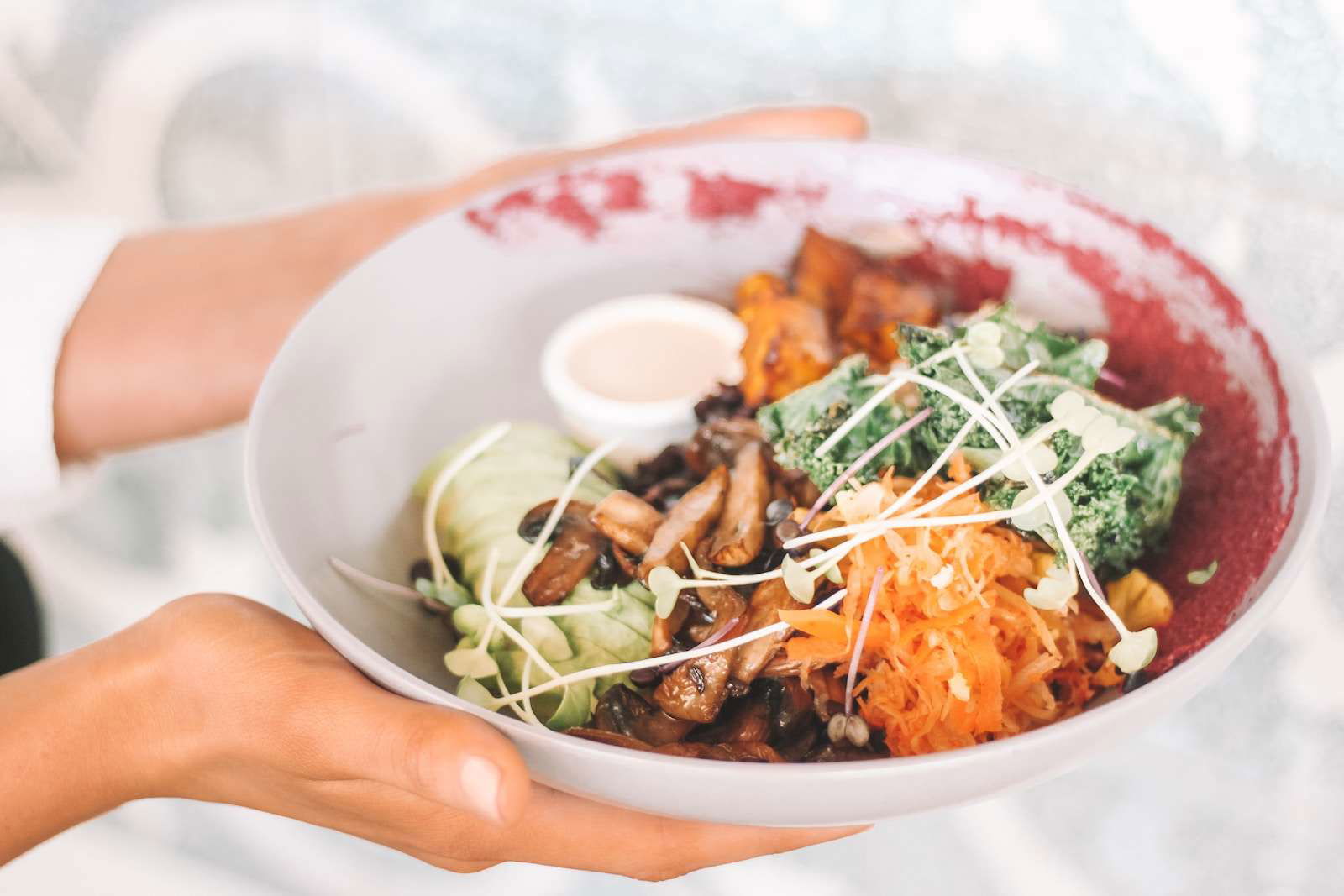
Le guide complet des sources de protéines végétales au-delà du tofu