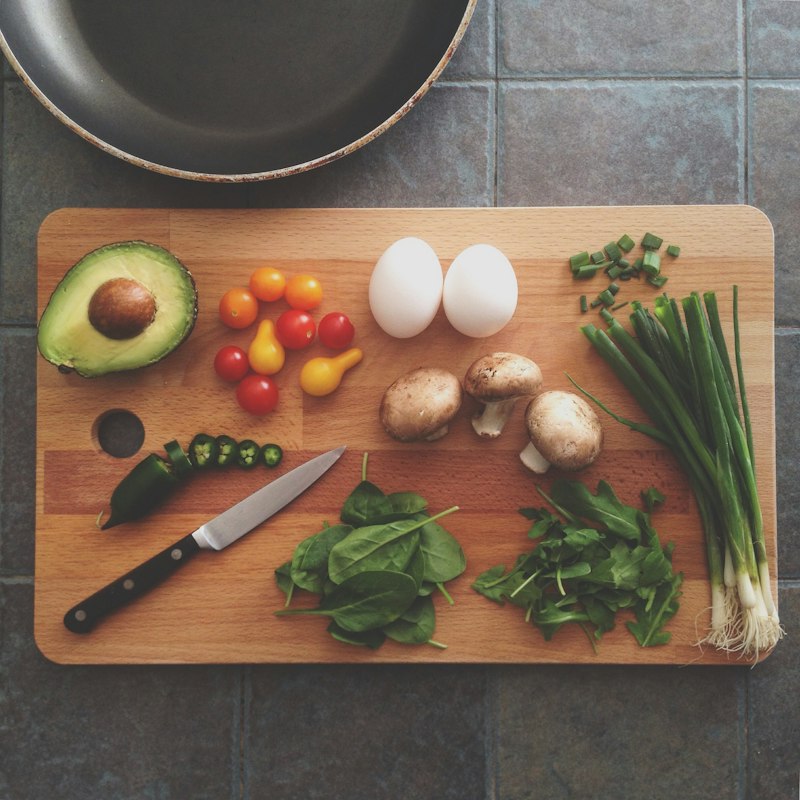
El pavo asado perfecto: guía paso a paso para obtener resultados jugosos y dorados


El pavo asado perfecto: guía paso a paso para obtener resultados dorados y jugosos
Asar el pavo perfecto es un arte culinario que combina ciencia, habilidad y un toque de paciencia. Esta guía lo equipará con técnicas expertas para lograr un pavo dorado y jugoso que impresionará a cualquier invitado.
¿Por qué asar pavo?
El pavo asado es un alimento básico para las reuniones navideñas, especialmente el Día de Acción de Gracias y Navidad. Su rico sabor y suculenta textura lo convierten en el favorito del público. Comprender la ciencia del asado puede transformar su pavo de ordinario a extraordinario.
La ciencia detrás del tostado
Asar implica cocinar los alimentos en un horno utilizando calor seco. En el caso del pavo, este método ayuda a desarrollar una piel crujiente mediante la reacción de Maillard, un proceso químico en el que las proteínas y los azúcares reaccionan a altas temperaturas, creando sabores complejos y un color dorado.
Elegir el pavo adecuado
El tamaño y tipo de pavo que elijas pueden afectar significativamente el plato final. Considere estos factores al seleccionar su ave:
- Tamaño: Planifique de 1 a 1,5 libras por persona para garantizar porciones abundantes y sobras.
- Tipo: Opta por pavo fresco si es posible, ya que suelen ser más jugosos que los congelados.
Tamaños de pavo recomendados
| Número de personas | Peso del pavo |
|---|---|
| Hasta 8 | 10-12 libras |
| 8-12 | 14-18 libras |
| 12-16 | 18-24 libras |
| Más de 16 | Dos pavos |
Preparación: La clave del éxito
Descongelación
Descongelar adecuadamente el pavo es fundamental. Espere 24 horas por cada 5 libras de ave. Esto significa que un pavo de 15 libras necesitará unos tres días en el frigorífico.
No es necesario lavarse
Evite lavar su pavo para evitar la contaminación cruzada. Cualquier bacteria será eliminada durante el tostado.
Condimentos y aromatizantes
Mezcla de mantequilla de hierbas
Una mantequilla compuesta de hierbas y ajo agrega un sabor y una humedad increíbles:
- Ingredientes:
- 3/4 taza de mantequilla sin sal, ablandada
- 6 dientes de ajo picados
- 1 cucharada de romero fresco, picado
- 1 cucharada de tomillo fresco, picado
- Sal y pimienta al gusto
Llenar la cavidad
Rellene la cavidad con aromáticos como cebolla, limón y hierbas para infundir sabor:
- Ingredientes:
- 1 cebolla, en cuartos
- 1 limón, en cuartos
- Romero, tomillo y salvia frescos
Cocinar el pavo
Preparación del horno
Precalienta tu horno a 325°F (160°C). Utilice una rejilla para asar para permitir la circulación de aire alrededor del pavo.
Técnica de tostado
- Aplique mantequilla de hierbas: Levante suavemente la piel sobre los senos y extienda mantequilla debajo. Cubra el exterior con la mantequilla restante.
- Colocar en la rejilla: Coloque el pavo con la pechuga hacia arriba sobre la rejilla para asar.
- Asado: Calcule 15 minutos por libra. Use un termómetro para carnes para verificar que esté cocido (158°-160°F en la parte más gruesa del muslo).
Monitoreo y ajuste
- ¿Se dora demasiado rápido? Cubra con papel de aluminio para evitar que se queme.
- Comprobación de temperatura: Utilice un Termómetro para carne confiable para garantizar la precisión.
descansando
Deja reposar el pavo durante al menos 30 minutos. Este paso permite que los jugos se redistribuyan, asegurando una carne húmeda.
Tallando el pavo
Talla con confianza siguiendo estos consejos:
- Separe primero las piernas y los muslos para facilitar el acceso al pecho.
- Corte la pechuga a contrapelo para obtener trozos tiernos y jugosos.
- Utilice un cuchillo de trinchar afilado para realizar cortes limpios.
Errores comunes y cómo evitarlos
Cocinar demasiado
Prevenga la sequedad utilizando un termómetro y no confiando únicamente en el tiempo.
Condimentación insuficiente
Sazone generosamente el interior y el exterior del pavo para obtener un sabor equilibrado.
Armado
Evite atar muy fuerte, ya que puede provocar una cocción desigual.
Maridajes perfectos
Completa tu cena de pavo con estos acompañamientos:
- [Puré de patatas](/recipes?category=Puré+de patatas)
- [Salsa de arándanos](/recipes?category=Salsa+de arándanos)
- Relleno
Preguntas frecuentes
¿Por qué la mantequilla no se pega al pavo?
Asegúrese de que su pavo esté a temperatura ambiente y seco antes de aplicar mantequilla. Suaviza un poco la mantequilla si es necesario.
¿Qué pasa si mi pavo se cocina más rápido de lo esperado?
Si el pavo alcanza los 165 °F antes de que esté listo para servir, déjelo reposar cubierto con papel de aluminio para retener el calor.
¿Qué hacer si la piel arde?
Cubrir con papel de aluminio para evitar que se dore más y comprobar la temperatura del horno.
¿Por qué hay un tono rosado cerca de las articulaciones?
Esto puede ocurrir incluso cuando se cocina a temperaturas seguras. Utilice un termómetro para verificar que esté cocido.
¿Puedo usar hierbas secas en lugar de frescas?
Sí, pero las hierbas frescas imparten un sabor más intenso. Use la mitad de la cantidad si sustituye las hierbas secas.
¿Cómo sé cuando el pavo está listo?
Verifique que la parte más gruesa de la pechuga y el muslo alcance los 158°-160°F.
Dominar el arte de asar pavo puede elevar sus comidas navideñas a nuevas alturas. Al comprender la ciencia y la técnica, se asegura una celebración deliciosa y memorable.
¡Prueba esta receta!
¿Inspirado por este artículo? Aquí tienes una deliciosa receta que puedes hacer ahora mismo.
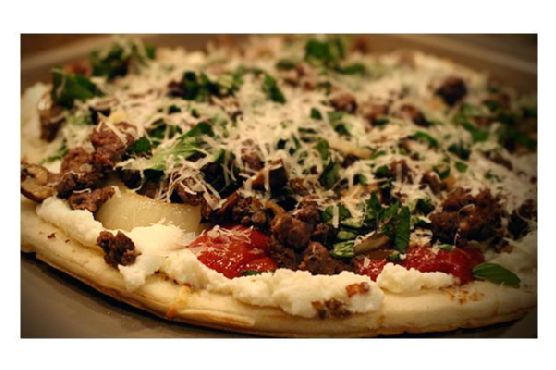
Elk Italian Sausage Pizza With Ricotta Cheese, Sautéd Mushrooms and Onion
¡Prueba esta receta!
¿Inspirado por este artículo? Aquí tienes una deliciosa receta que puedes hacer ahora mismo.
Elk Italian Sausage Pizza With Ricotta Cheese, Sautéd Mushrooms and Onion
Artículos Relacionados
Cómo crear capas de sabor: la base de todo gran plato
La guía completa de fuentes de proteínas de origen vegetal más allá del tofu