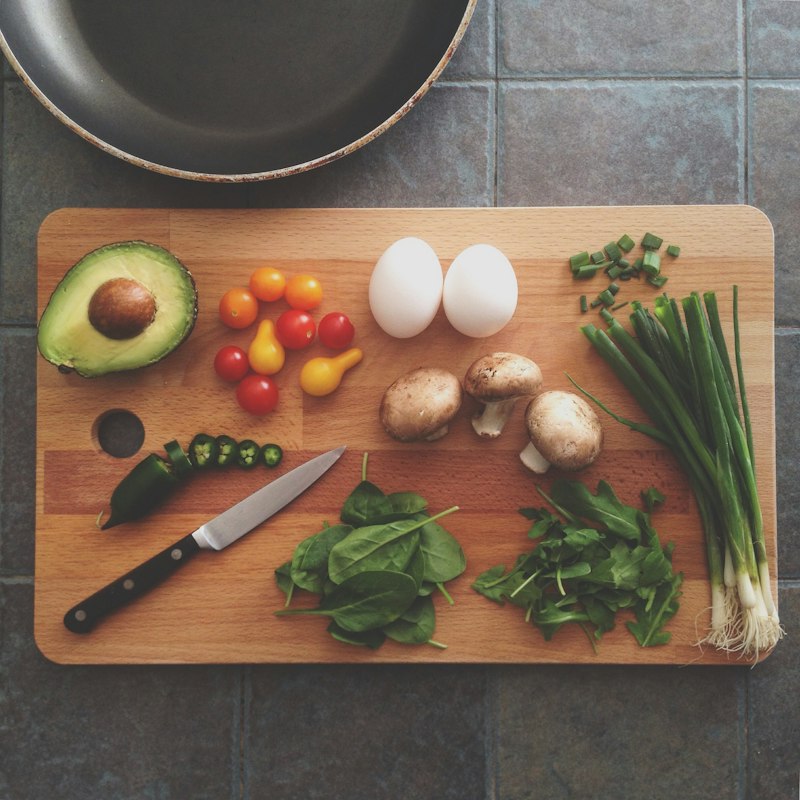
La guía definitiva sobre las habilidades con el cuchillo que todo cocinero casero necesita

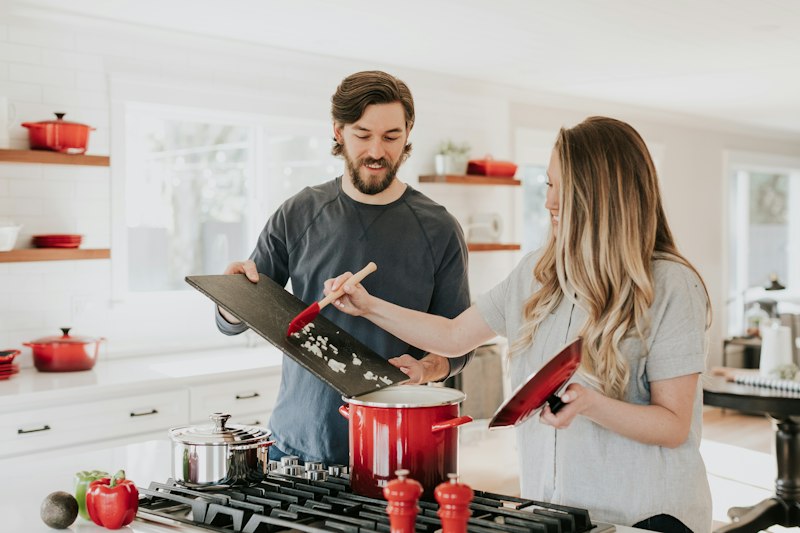
La guía definitiva para las habilidades con el cuchillo que todo cocinero casero necesita
Si hay una habilidad que separa a los profesionales de los aficionados es el trabajo con cuchillo. Observe a cualquier chef profesional y verá un movimiento rítmico y eficiente que convierte montones de verduras en trozos uniformes en segundos.
Pero las habilidades con el cuchillo no se tratan solo de presumir o de velocidad: se trata de seguridad y mejor cocina. Los ingredientes cortados uniformemente se cocinan de manera uniforme, lo que significa que no terminarás con algunos trozos de papa blandos mientras que otros aún están duros.
En esta guía completa, cubriremos todo lo que necesita saber para dominar la espada.
The Grip: Cómo sostener el cuchillo
Comience con el posible agarre de "apretón de manos", pero ahogue la hoja.
- El mango: Envuelva los dedos meñique, anular y medio alrededor del mango.
- El pellizco: Coloque el pulgar en un lado de la hoja (la parte metálica) y el dedo índice curvado en el otro lado.
Este "agarre de pellizco" le brinda el máximo control y estabilidad. Puede que al principio te parezca antinatural, pero sigue así: así es como cocina todo profesional.
La Garra: Protegiendo Tus Dedos
Tu mano que no corta (la mano que guía) es tan importante como tu mano con el cuchillo. Utilice "The Claw" para mantener sus dedos seguros.
- Doble las yemas de los dedos hacia adentro para que queden metidas detrás de los nudillos.
- Utilice sus nudillos como guía para el costado de la hoja del cuchillo.
- Mientras cortas, mueve tu mano hacia atrás, manteniendo la forma de garra.
Cortes esenciales que debes conocer
1. La chuleta
El corte de roca es el movimiento más común. Mantenga la punta del cuchillo sobre la tabla de cortar y mueva la punta del cuchillo hacia arriba y hacia abajo sobre ingredientes como hierbas o nueces.
2. Los dados (pequeño, mediano, grande)
Cortar cebollas, zanahorias y patatas en cubitos es una tarea diaria en la mayoría de las cocinas.
- Dados pequeños: cubos de aproximadamente 1/4 de pulgada.
- Dados medianos: cubos de aproximadamente 1/2 pulgada.
- Dados grandes: cubos de aproximadamente 3/4 de pulgada.
Consejo: Para vegetales redondos como las cebollas, primero córtelos por la mitad a través de la raíz para crear una superficie plana y estable.
3. Juliana
Esto crea piezas con forma de cerilla, de aproximadamente 1/8 de pulgada de grosor y 2 pulgadas de largo. Es perfecto para salteados, ensaladas o guarniciones.
4. Gasa
Se utiliza para hierbas de hojas verdes como la albahaca y la menta. Apila las hojas, enróllalas como si fueran un cigarro y córtalas a lo largo del rollo para crear delicadas cintas.
Cuidando tu cuchillo
Un cuchillo sin filo es peligroso porque requiere más fuerza para cortar, lo que aumenta las posibilidades de resbalar.
- Afilado: Utilice un acero para afilar regularmente (cada pocos usos) para realinear el borde de la hoja.
- Afilado: Utilice una piedra de afilar o un afilador profesional una o dos veces al año para eliminar el metal y crear un nuevo borde.
- Limpieza: SIEMPRE lave los cuchillos a mano. El lavavajillas es una sentencia de muerte para los cuchillos de calidad debido al alto calor y a los detergentes fuertes.
Poniéndolo en práctica
¡La mejor forma de practicar es cocinar! Intente preparar una gran cantidad de sopa de verduras o un salteado. Estos platos requieren mucho corte y son indulgentes si los cortes aún no son perfectamente uniformes.
¡Echa un vistazo a nuestras Recetas de salteados de verduras para practicar tus nuevas habilidades en juliana!
¡Prueba esta receta!
¿Inspirado por este artículo? Aquí tienes una deliciosa receta que puedes hacer ahora mismo.

Spicy Thai prawn noodles
¡Prueba esta receta!
¿Inspirado por este artículo? Aquí tienes una deliciosa receta que puedes hacer ahora mismo.
Spicy Thai prawn noodles
Artículos Relacionados
Cómo crear capas de sabor: la base de todo gran plato
La guía completa de fuentes de proteínas de origen vegetal más allá del tofu