
💡Note du Chef
“Bienvenue dans une délicieuse escapade méditerranéenne avec notre quiche au havarti et aux asperges. Cet élégant plat d'antipasti combine la riche onctuosité du fromage Havarti avec les notes tendres et noisetées des asperges fraîches. C'est une symphonie de saveurs enrobées dans une croûte parfaitement feuilletée, promettant que chaque tranche est un pur plaisir. Conseil du chef : Accompagnez-le d'un vin blanc léger et croquant pour rehausser les saveurs. Savourez cette charmante quiche comme la vedette de votre réception, invitant chaleur et sophistication à votre table.”
Ingrédients
 asparagus8 stalks
 cream1 cup
 eggs2
eggs2 flour1.25 cups
 havarti0.5 pound
 salt0.5 teaspoon
 sugar1 cup
 butter0.75 cup
 water8 c
Acheter les Ingrédients
Faites-vous livrer par Amazon
*Links open in Amazon Fresh/Grocery. We may earn a commission.
Instructions
In the bowl of a food processor, combine flour, salt, and sugar.Add butter and pulse until the mixture resembles the size of small peas.Add the first 5 tablespoons of water, one at a time.Check consistency - if the mixture holds together when pinched, the crust is perfect dont add any more water.If, however, the crust still crumbles apart and wont stay together when pinched, that means it wont stay together while rolling either; go ahead and add the last tablespoon of water one teaspoon at a time, rechecking the consistency between each teaspoon.The exact amount of water you need will depend on the amount of humidity in the air and therefore in the flour.Once finished, turn the dough out onto a piece of plastic wrap.Form the dough into a disk, and refrigerate 30 minutes before rolling it out.You want that flour to relax and the butter to be nice and cold that will ensure you have a nice flaky crust.Meanwhile, boil a pot of water large enough to fit the stalks of asparagus.Trim the ends of your asparagus making sure they will fit nicely into your quiche pan, arranged like the spokes in a bicycle wheel with the ends touching in the middle.Place in boiling water, and blanch for 2-3 minutes.Remove from boiling water and place in an ice bath to stop the cooking and keep the color nice and vibrant green.Set aside.Preheat oven to 350 degrees.On a lightly floured surface, roll the dough out into a circle a few inches larger than your quiche or pie pan.Fold the dough back up over the rolling pin if needed, to gently lift the crust into the dish.Once the dough is neatly into the pan, make sure it is smoothly tucked into the corners.Trim excess crust from the edges leaving about a 1 border.Fold the excess dough under itself, making sure not to fold it over the edge of the pan, to ensure a nice even border.Crimp the dough between your fingers to make little pinches.Poke a few fork holes in it to allow the steam to escape, this will prevent a soggy bottom crust.Blind bake the crust for 5 minutes.This will prevent all of the custard from getting absorbed into the crust making it soggy.Remove crust from oven and sprinkle with Havarti with Dill cheese.
Set aside.Increase oven temperature to 375 degrees.In a large bowl, combine eggs, heavy cream, and milk and whisk thoroughly.
Pour egg mixture gently over the cheese mixture.Place asparagus stalks, tips pointing outwards into a spoke pattern like on a bicycle wheel, making sure the ends come together in the middle.Bake 40 minutes.Check to make sure the crust isnt getting too brown.If it is, loosely drape a piece of foil over the top, making sure you dont lay it on the actual custard mixture in the middle.Bake 10-12 minutes longer.To test doneness, slide a butter knife under the edge of one of the asparagus stalks.The knife should come out clean.It should be moist after all the quiche is moist, but it should be free of egg mixture.If not, put it back in the oven with your tent foil on top for 3-4 more minutes.
Vous aimez cette recette ?
Enregistrez-la dans vos favoris pour ne jamais la perdre !
Équipements de cuisine recommandés
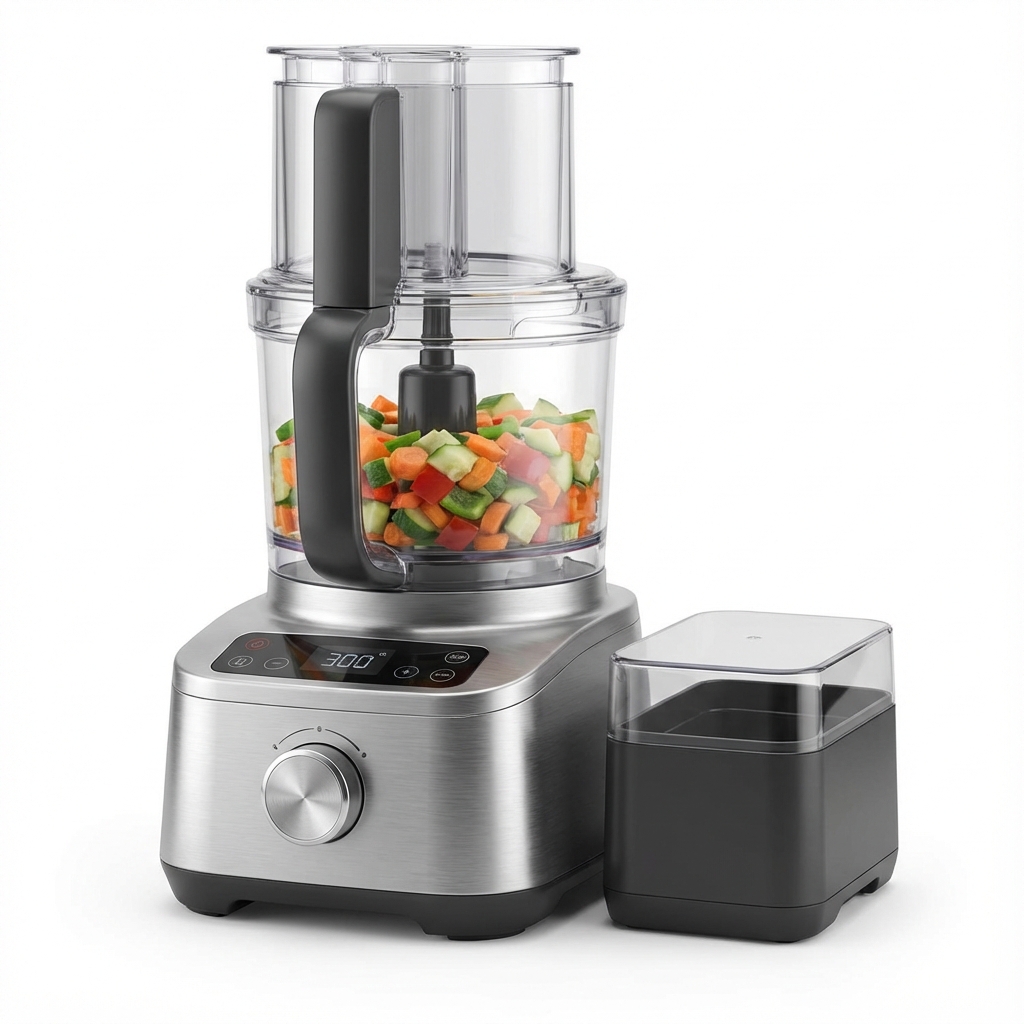
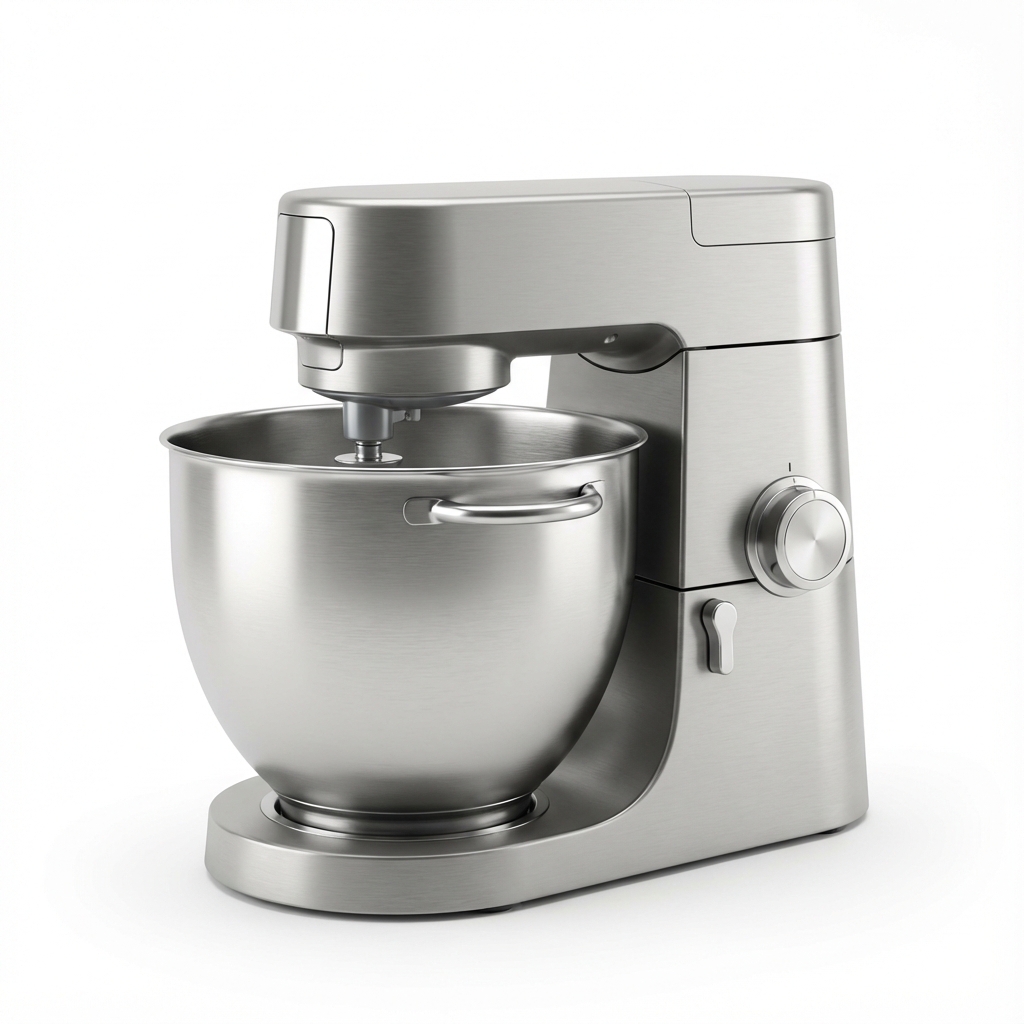
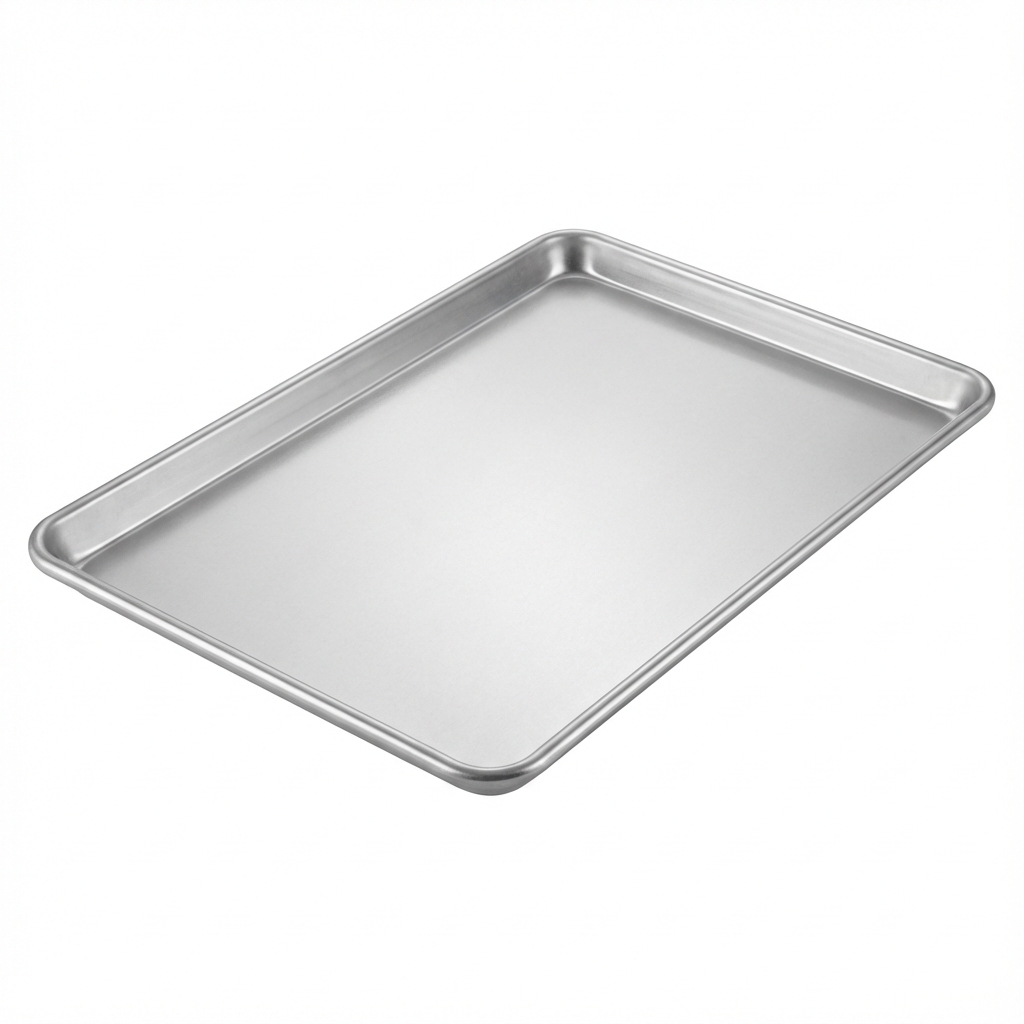
*As an Amazon Associate we earn from qualifying purchases.

Découvrez plus sur notre blog
Apprenez des astuces, des conseils et des secrets de cuisine liés à ce plat.
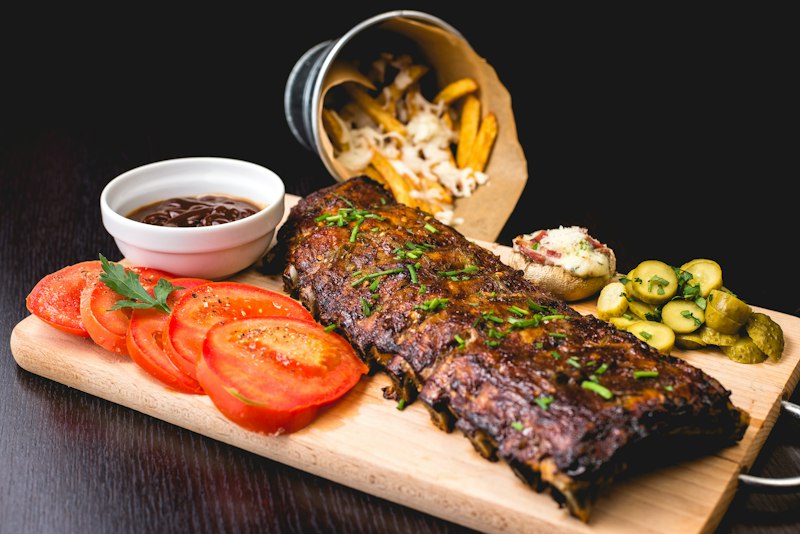
Saveurs méditerranéennes : un voyage à travers la cuisine grecque et turque
Des plateaux Meze aux brochettes grillées, explorez le patrimoine culinaire commun de la Grèce et de la Turquie.
Lire l'article
Guide complet du régime méditerranéen : bienfaits et recettes
Ce n'est pas seulement un régime ; c'est un style de vie. Découvrez les saveurs fraîches et les bienfaits pour la santé de la façon méditerranéenne de manger.
Lire l'article
Plan de match de la semaine de Noël : votre programme de préparation quotidien d'aujourd'hui au 25 décembre
Préparez-vous pour Noël comme un pro grâce à notre programme de préparation quotidien complet d'ici le 25 décembre. Faites de cette période des fêtes la plus organisée et la plus joyeuse à ce jour.
Lire l'article