The Ultimate Guide to Garlic: 12 Ways to Use Every Form (Plus Storage, Substitutions & Pro Tips)


Garlic, Decoded: Why 12 Forms Matter
The sizzle when minced garlic hits hot oil is a promise: sweet, sharp, nutty—if you treat it right. This guide breaks garlic into 12 practical forms so you can pick the right technique for the dish, avoid common pitfalls, and swap with confidence without sacrificing flavor. Our recommendations balance home-cook simplicity with chef-level nuance.
Garlic has been cultivated for over 5,000 years and shows up in almost every cuisine on Earth. Different varieties—like softneck artichoke and hardneck types, plus seasonal spring garlic and garlic scapes—behave differently, and so do cuts and cooking methods. Time and temperature reshape garlic’s sulfur chemistry; chop and you build allicin, cook and you transform it again, which is why timing matters.
You’ll see the range: raw, finely minced in a garden-fresh dressing; slow-roasted cloves mashed into potatoes; and black garlic, made through heat and time via the Maillard reaction, swirled into unexpected desserts.
Why 12 Forms Matter
Each form has a best use, a flavor lane, and a failure mode. Sliced garlic fries up into toasty chips; grated garlic dissolves into sauces; confit turns cloves silky-sweet; powder seasons evenly without moisture; scapes sauté like a vegetable. Knowing which to use is the difference between fragrant and bitter.
- Precision: Match cut size to cook time to control pungency and sweetness.
- Versatility: Move between fresh bulbs, green stages, preserved forms, and pantry staples.
- Confidence: Smart substitutions and conversions prevent over- or under-garlicking.
We’ll also steer you around common hazards. Expect clear safety callouts on garlic-in-oil and the risk of botulism, plus why a brief rest after chopping can boost allicin before heat. Storage matters too: some hardnecks keep longer; delicate scapes and green garlic are fleeting and need quick use.
You’ll get straightforward, no-gimmick technique with a few targeted tool picks later to make prep and storage easier. No unitaskers, just gear that actually helps.
What This Guide Covers
- A quick history and the key varieties you’ll meet at markets.
- Flavor science you can use at the stove—no jargon for jargon’s sake.
- The 12 forms, with exact use-cases, ideal cuts, and cook times.
- Buying and storage, from bulbs to scapes to black garlic.
- Rock-solid conversions and substitutions (clove ↔ powder, etc.).
- Safety essentials, including oil infusions, proper chilling, and mold watch-outs.
Roadmap: History → Science → How-To (12 forms) → Advanced storage and prep → Substitutions and conversions → FAQ → Conclusion.
A Short Origin Story
Garlic has been cultivated for over 5,000 years, showing up in the fields and kitchens of ancient Mesopotamia and Egypt, then spreading across the Mediterranean and Asia. It fed laborers, perfumed stews, and doubled as medicine, prized for vigor, digestion, and later, heart health. Across centuries of tending wild alliums, cooks and farmers selected traits that split garlic into two broad camps: softneck and hardneck.
Softneck types adapted to milder climates and long storage; hardnecks stayed closer to their wild cousins, thriving in colder regions and keeping their flowering stalk, the scape. That simple fork in evolution explains a lot of what you taste and how you’ll cook with different bulbs today.
Know Your Types (and What They’re Good For)
-
Softneck (e.g., Artichoke): More, smaller cloves; generally milder; easy to braid; excellent storage life. Great all-purpose choice for sautés, soups, dressings, and pantry longevity.
-
Hardneck (e.g., Rocambole, Standard Purple Stripe): Fewer, larger cloves; often more complex flavor; typically easier to peel; plants produce edible scapes. Ideal when you want punchy raw heat or standout roasted sweetness.
Key varieties you’ll see (with quick cook-facing notes):
-
Artichoke (softneck): Versatile everyday garlic; steady heat with a clean finish. Use anywhere—minced in sautés, smashed for dressings, or sliced in quick sauces.
-
Rocambole (hardneck): Sweet-hot complexity, juicy cloves, shorter keeping. Superb raw in chimichurris, pestos, and salsas; also great for quick pan sauces.
-
Standard Purple Stripe (hardneck): Small cloves that roast to exceptional caramel sweetness. Best for slow roasting heads, compound butter, and mellow spreads.
-
Solo/Pearl garlic: A single, large clove; easy peeling, medium pungency. Perfect for thin slices and garlic chips, or fast weeknight prep.
-
Elephant garlic: Technically a leek relative; very mild and aromatic. Roast whole for a spreadable paste or slice for gentle, golden chips.
-
Green/Spring garlic & Scapes: Immature forms with fresh, grassy flavor and delicate heat. Treat green garlic like a cross between leek and garlic; use scapes like tender scallions—sauté, grill, or pickle.
-
Black garlic: A “form,” not a botanical variety—made by controlled low-temperature aging that drives Maillard-like reactions (often described as fermentation). Flavor turns molasses-sweet, tangy, and umami-rich; use in sauces, vinaigrettes, and even desserts.
Seasonality and Smart Buying
Look for green/spring garlic in spring; scapes in early summer; cured bulbs from late summer into fall. Choose by intent: sharp, raw sauces favor rocambole or green garlic; ultra-sweet roasts lean purple stripe or elephant; everyday cooking is easy with artichoke; fast prep points to solo.
💡 Pro Tip: Blend types to tune flavor—one raw hardneck clove for brightness plus a few roasted softneck cloves for sweetness gives you a balanced, complex garlic base.
The Science of Garlic Flavor
Understanding garlic’s flavor chemistry lets you dial it up or down on command. When a clove is cut, smashed, or grated, the compound alliin meets the enzyme alliinase, creating allicin—the source of garlic’s sharp, hot bite. More cell damage (think grating or puréeing) means more allicin and a fiercer flavor; less damage (slicing, smashing whole) keeps things gentler.
Use prep to choose your intensity:
- Whole or lightly smashed: mild, sweet, background aroma.
- Thinly sliced: moderate, more perfumed than hot.
- Minced or pressed: notably pungent; a uniform press like the OXO Good Grips Garlic Press keeps pieces even.
- Grated/paste: hottest, fastest allicin burst; a Microplane Premium Classic Zester/Grater turns cloves into paste-level intensity.
💡 Pro Tip: Let crushed garlic sit for 10 minutes before cooking to develop allicin; if you want gentler flavor, cook immediately.
How time, heat, fat, and acid steer flavor
Time matters. Letting chopped or crushed garlic stand about 10 minutes before heating maximizes those beneficial sulfur compounds, while immediate cooking curbs their formation and softens the bite.
Heat is your volume knob. Gentle heat (a low sizzle in oil) mellows sharpness and builds sweetness; quick high heat can scorch and turn bitter if the pieces are tiny.
Roasting or confit transforms garlic. Long, low heat drives the Maillard reaction, converting harsh sulfur notes into nutty, caramel sweetness and jammy depth. In confit, fat protects the cloves and coaxes a buttery, spreadable texture.
Fat smooths edges and carries aroma. A little oil disperses pungency, infuses with garlicky flavor, and helps temper raw heat in dressings, sautés, and marinades.
Acids (lemon, vinegar, yogurt) tame harshness and brighten. They can also turn garlic green or blue via harmless sulfur–pigment reactions—surprising but safe to eat.
Quick equivalents and safety
Mini conversion snapshot (for substituting forms):
- 1 clove ≈ 1/2 tsp minced ≈ 1/4 tsp granulated ≈ 1/8 tsp powder. A fuller table is coming up.
Food safety is nonnegotiable. Garlic-in-oil (including confit) must be refrigerated immediately and used within 7 days, or frozen for longer storage due to botulism risk. Never store garlic in oil at room temperature.
Use these levers—prep size, time, heat, fat, and acid—to place garlic anywhere on the spectrum from whisper-soft to thrillingly bold.
From raw heat to slow-sweet
-
Raw minced cloves: Finely chopped and uncooked; very punchy and bright. Best in dressings, salsas, and cold sauces; whisk with oil and acid, then rest a few minutes to soften edges. Try it in the vinaigrette for our Garden Fresh Heirloom Tomato, Pepper, and Cucumber Salad.
-
Thinly sliced or garlic chips: Paper-thin slices or fried chips; crisp with nutty notes. Start in cool oil, fry to pale gold, drain; shower over noodles, grilled meats, or seafood—perfect atop Thai chicken cakes with sweet chilli sauce; a compact OXO Hand-Held Mandoline Slicer makes uniform slices.
-
Lightly crushed whole cloves: Smashed but intact; gentle infusion without bits. Sizzle briefly in oil to perfume, then braise/roast and fish out. Add a few to Beef Brisket Pot Roast.
💡 Pro Tip: Start garlic in cool oil to extract gently; add chilies or delicate herbs later so they don’t scorch.
-
Garlic paste (microplaned or pounded): Ultra-fine; max potency that disappears smoothly. Whisk into marinades/emulsions or bloom briefly in warm oil off heat; great with Grilled Garlicky-Herbed Shrimp. A Microplane makes effortless paste.
-
Roasted whole heads: Cut, oiled heads roasted until jammy; sweet, umami-rich, spreadable. Roast in a sturdy Lodge 8-inch Cast Iron Skillet, then mash into butter, sauces, or mash. Spread on toast alongside Crispy Tiger Prawns With Honey and Garlic Sauce.
-
Garlic confit (poached in oil): Silky cloves + aromatic oil; buttery and mellow. Poach low until tender; refrigerate immediately and use within 7 days or freeze; fold cloves into aioli and drizzle the oil—use it to enrich the dip for Shrimp & Crab Egg Rolls.
Pantry power and spring greens
-
Black garlic: Aged/Maillard-transformed; deeply sweet-savory (date-balsamic). Blend into sauces, compound butter, or even desserts; try a black-garlic caramel swirled into Home made coffee ice cream.
-
Pickled garlic: Vinegar-cured; tangy, crisp bite. Fold into salads and slaws or mince into dipping sauces (especially good with the egg rolls); add at the end to keep crunch.
-
Garlic powder: Dehydrated and fine; dissolves easily for even coverage. Ideal in rubs, dredges, and popcorn; bloom in fat or liquid; dosing: about 1/8 tsp ≈ 1 clove. Stock McCormick Garlic Powder.
-
Granulated garlic: Dehydrated and coarser; a better rub texture. Clings well on grilled/roasted meats without clumping; use when you want a hint of crunch in spice blends.
-
Garlic salt: Salt pre-mixed with garlic; finish, don’t replace regular salt. Sprinkle at the end (great on hot grilled shrimp) and reduce other sodium; look for Jacobsen Garlic Salt.
-
Scapes and green/spring garlic: Immature bulbs and flowering stalks; mild, grassy. Sauté or grill quickly, or blitz into pesto; toss through spring veg or simple pastas with lemon and olive oil.
Buying, Storing, and Prepping Garlic Like a Pro
Now that you’ve met garlic in all its forms, here’s how to buy, store, and prep it so every clove delivers max flavor—and stays safe.
Buying: choose the right form
- Bulbs: Pick firm, heavy heads with tight skins. Skip soft spots, mold, or excessive sprouting.
- Varieties: Softneck stores longest and braids well; hardneck peels easier and often tastes spicier.
- Fresh/green: Green/spring garlic (baby/wet) is perishable—use within days.
- Scapes: Should be crisp and snappy, not wilted.
- Pantry forms: Black garlic should be soft-chewy, not slimy. Powder/granulated should pour freely (no clumps).
For countertop storage with airflow, a vented keeper helps: try a Norpro Ceramic Garlic Keeper (vented). For easy peeling, a silicone tube like the Orblue peeler keeps fingers clean.
Storage: keep flavor, stay safe
- Whole, cured bulbs: Keep cool, dark, and dry with airflow—ideally around 60–65°F. Do not refrigerate.
- Peeled cloves: Refrigerate in an airtight container; use within 1 week.
- Minced/garlic paste: Refrigerate; use within 2–3 days.
- Confit / garlic-in-oil: Cook, cool quickly, refrigerate immediately, and use within 7 days or freeze. Oil + low acid can allow dangerous growth at room temp.
- Black garlic: Store sealed, cool/dark; keeps for months.
- Powder / granulated: Keep airtight, away from humidity and heat.
💡 Pro Tip: Slip a fresh, food-safe desiccant or a few grains of dry rice into a spice jar to reduce caking.
When making garlic confit, keep it hot enough to gently bubble, then chill fast. An instant-read like the ThermoPro TP19H helps you stay in the safe zone. Always use clean utensils, label dates, and discard any oil mixtures at the first sign of off-odors.
Prep: smash, slice, or grate?
- Smash (with the side of a knife): Fast peeling and big, rustic pieces. Smashing ruptures more cells, creating more allicin, so flavors are pungent and great for stews, braises, or to rub a hot Lodge skillet before searing.
- Slice: Gentler garlic for sautés and confit—more surface area than chunks, but less cell damage than mincing, so flavor is mellower and sweeter as it cooks.
- Grate/Microplane: Max extraction and instant heat; perfect for quick dressings, marinades, and when garlic won’t cook long.
Batch-prep: Blitz cloves with a pinch of salt (and just enough oil to help blend if you’ll freeze), then portion 1-teaspoon mounds into an ice cube tray. Freeze solid, pop into a bag, and use straight from frozen.
If you handle lots of cloves, a tube peeler like the Orblue Silicone Garlic Peeler speeds things up without crushing the flesh.
Substitutions, Conversions, and Flavor Math
Now that you know how to prep garlic, here’s how to swap it with confidence—and nail the intensity you want.
Quick conversions + flavor math
Per 1 medium clove, use:
- ≈ 1/2 tsp fresh minced
- ≈ 1/4 tsp granulated garlic
- ≈ 1/8 tsp garlic powder
- ≈ 1 tsp garlic salt, then subtract 3/4 tsp salt from the recipe
Finer particles taste “stronger” because more surface area releases volatile compounds faster. That’s why powder feels punchier than granulated, and both hit quicker than chopped fresh.
💡 Pro Tip: Bloom garlic powder in warm oil or butter for 30–60 seconds before adding liquids to wake up aroma without risking burnt bits.
When to choose each form
- Powder: Best for even distribution in dry rubs, popcorn, and snack mixes; it dissolves smoothly in sauces and dips. It scorches fast on hot surfaces, so bloom it in fat or add later in cooking.
- Granulated: Slight texture for rubs and burgers, with a slower burn than powder, so it tolerates heat better on the grill or in the oven.
- Fresh: Unbeatable aroma and bite. Use minced/sliced for sautés and quick sauces; microplaned for dressings where you want a sharp, raw edge.
Smart substitutions:
- Garlic paste: For raw punch in quick marinades and creamy dressings; smooth and immediate.
- Roasted or black garlic: Adds deep, sweet-savory complexity without heat; mash into butter, vinaigrettes, or stir into braises.
- Pickled garlic: Brings gentle garlic plus tang; use cloves or the brine where acid is welcome.
- Scapes/green (spring) garlic: Delicate spring option if raw cloves are too sharp; sub as you would scallions.
- Garlic-free: Try roasted cumin plus a tiny pinch of asafoetida, or a shallot + ginger blend to echo savory depth.
Sodium management with garlic salt:
- Replace 1 clove with 1 tsp garlic salt, then reduce added salt by 3/4 tsp. If your recipe is already salty (soy, cheese, cured meats), hold back more and adjust to taste.
Mini scenarios:
- Grilled herby shrimp and you’re out of fresh? Swap each clove with 1/4 tsp granulated, whisked into oil, lemon, and herbs for even coverage.
- Braise tasting flat near the end? Stir in 1–2 black garlic cloves or 1/4 tsp powder bloomed in the pot’s fat to amplify savoriness.
- Dipping sauce feeling harsh with raw garlic? Use a 50/50 mix of pickled garlic brine and lime juice to replace the raw clove, adding brightness without burn.
DIY your own flakes and powder by thinly slicing cloves and drying until brittle, then grinding. A dependable option is the COSORI Premium Food Dehydrator.
FAQ: Your Garlic, Solved
-
Why does garlic sometimes turn green or blue? Acids and natural sulfur compounds can react with amino acids to form blue-green pigments, especially with young or pickled cloves. It looks wild, but it’s safe to eat.
-
Is sprouted garlic safe? Yes. The clove is fine, but the green germ can taste harsh—split the clove and remove it for a cleaner flavor.
-
How do I fix burnt garlic’s bitterness? You don’t—those bitter compounds are permanent. Prevent it by lowering heat, adding garlic later, or using whole smashed cloves for longer sautés.
-
Is jarred minced garlic okay? Acceptable in a pinch, but it’s duller from processing. Use a bit more and bloom it in fat until fragrant to wake it up.
-
What’s the difference between powder and granulated? Garlic powder is fine and dissolves fast—great for sauces and quick seasoning, but it can clump. Granulated garlic is coarser, spreads evenly in rubs and dressings, and resists caking.
-
Can I safely make garlic confit? Yes—with strict refrigeration as soon as it cools, and use it promptly (about a week). Freeze for longer storage, and never keep at room temperature.
-
Elephant garlic vs. true garlic? Elephant garlic is actually a leek relative, with jumbo cloves and a softer, onion-garlic vibe. Treat it like a gentle garlic—slice raw for salads or roast for a sweet spread.
-
How do I get rid of garlic breath? Chew parsley or mint, drink milk with fat, or eat raw apple; these help bind or neutralize sulfur compounds. Brushing the tongue helps more than brushing teeth alone.
-
Does microwaving or long cooking kill allicin? Heat degrades allicin, the compound behind raw garlic’s bite and many reported benefits. For more punch, mince and let it rest a few minutes before cooking, or add a portion at the end.
💡 Pro Tip: To tame raw garlic in dressings, mash it with a pinch of salt and a drop of acid (lemon or vinegar) before whisking—smoother flavor, same intensity.
Final Takeaways
Form dictates flavor and application: raw mince is sharp and fast, confit and roasted cloves are sweet and spreadable, powders and granules give even distribution, and black garlic brings deep, Maillard-made savor.
Try two contrasting forms this week to feel the difference—stir raw, salted paste into a vinaigrette, then slow-roast whole heads for a buttery spread on toast or into mashed potatoes. Put it to work in our Grilled Garlicky-Herbed Shrimp, Crispy Tiger Prawns With Honey and Garlic Sauce, Beef Brisket Pot Roast, or Thai chicken cakes with sweet chilli sauce.
Not every meal needs garlic—when you want a sweet, mellow morning, take a break with Peaches And Cream Oatmeal.
Try This Recipe!
Inspired by this article? Here's a delicious recipe you can make right now.
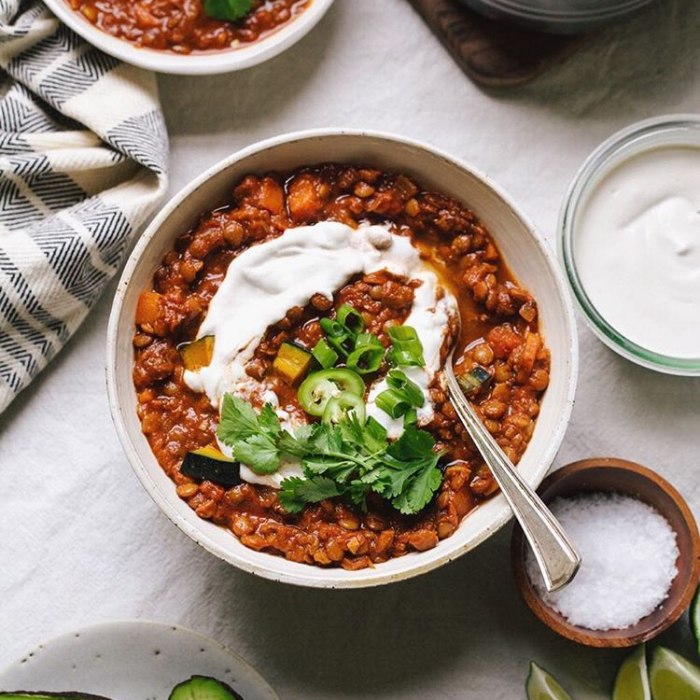
Smoky Lentil Chili with Squash
Try This Recipe!
Inspired by this article? Here's a delicious recipe you can make right now.
Smoky Lentil Chili with Squash
Related Articles
The Umami Pantry: Ingredients That Add Depth to Every Dish

Ancient Grains Explained: From Farro to Freekeh