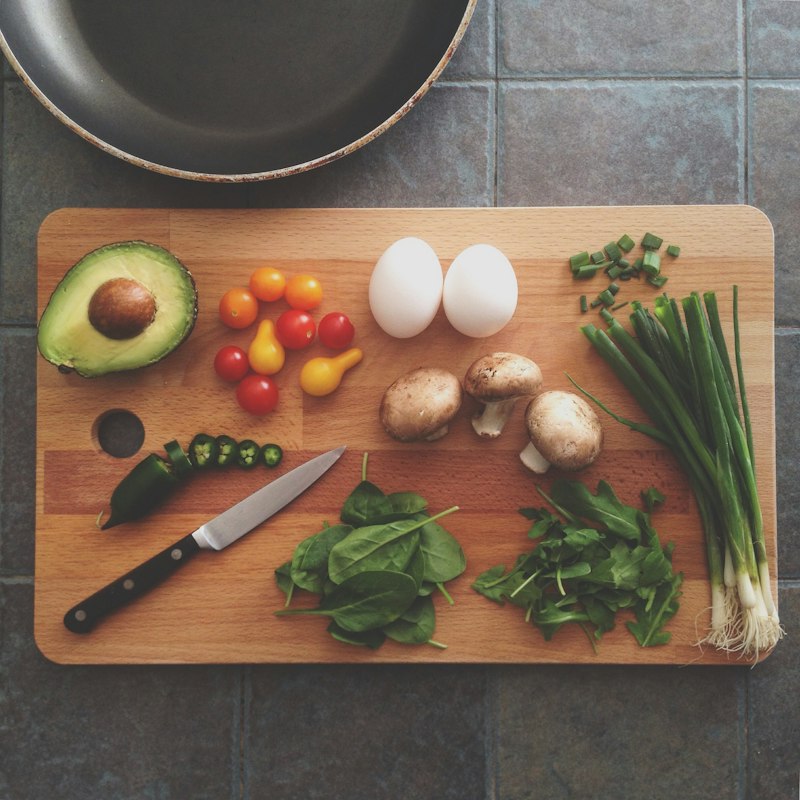
La ciencia del condimento: cómo hacer que cada plato sepa mejor

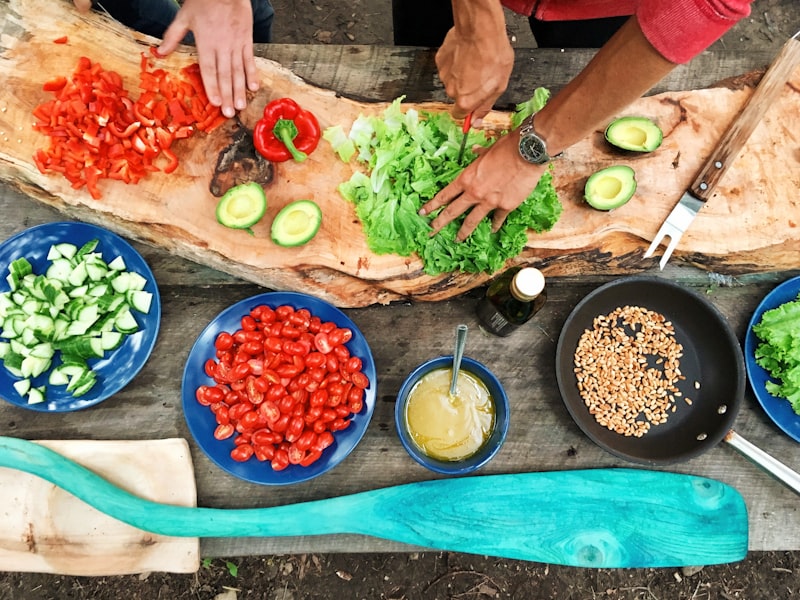
La ciencia del condimento: cómo hacer que cada plato sepa mejor
¿Alguna vez has probado un plato y has pensado: "Está bueno, pero le falta... algo"?
El 90% de las veces, ese algo es Sal o Ácido.
El papel de la sal
La sal es un potenciador del sabor. En niveles bajos, no hace que la comida tenga un sabor "salado"; hace que la comida sepa más a sí misma. Suprime el amargor y realza el dulzor y el sabor.
Cuándo salar
- Temprano: Sal las cebollas al saltearlas para extraer la humedad y ayudar a que se doren. Salar la carne antes de cocinarla para permitir que penetre en las fibras musculares.
- Con frecuencia: Sazone en cada capa. Salar el agua para la pasta. Salar las verduras. Sal la salsa.
- Tarde: La "sal final" (como la sal marina en escamas) agrega un toque de textura y salinidad brillante justo antes de servir.
El papel del ácido
Si un plato se siente "pesado" o "plano", necesita ácido. Jugo de limón, vinagre, vino, yogur o incluso tomates.
El ácido corta la grasa. Piense en un rico estofado de ternera: un chorrito de vinagre de vino tinto al final despierta todo. Ilumina los sabores y limpia el paladar.
Equilibrio de sabores
Cocinar se trata de equilibrar los cinco sabores:
- Salado: Realza el sabor.
- Dulce: Equilibra lo ácido y lo amargo.
- Agrio (Ácido): Equilibra lo dulce y lo picante.
- Amargo: Equilibra dulce y rico.
- Umami (sabroso): Agrega profundidad y satisfacción.
Solución de problemas:
- ¿Demasiado dulce? Agregue ácido o calor.
- ¿Demasiado amargo? Agregue dulce o grasa.
- ¿Demasiado picante? Agregue dulce, ácido o lácteo (grasa).
- ¿Demasiado soso? ¡Agrega SAL!
La próxima vez que cocines, prueba sobre la marcha. Pregúntese: "¿Esto necesita un aventón?" Pruebe con un chorrito de limón y simplemente observe la magia.
¡Prueba esta receta!
¿Inspirado por este artículo? Aquí tienes una deliciosa receta que puedes hacer ahora mismo.

Cheesy Chicken and Rice Casserole
¡Prueba esta receta!
¿Inspirado por este artículo? Aquí tienes una deliciosa receta que puedes hacer ahora mismo.
Cheesy Chicken and Rice Casserole
Artículos Relacionados
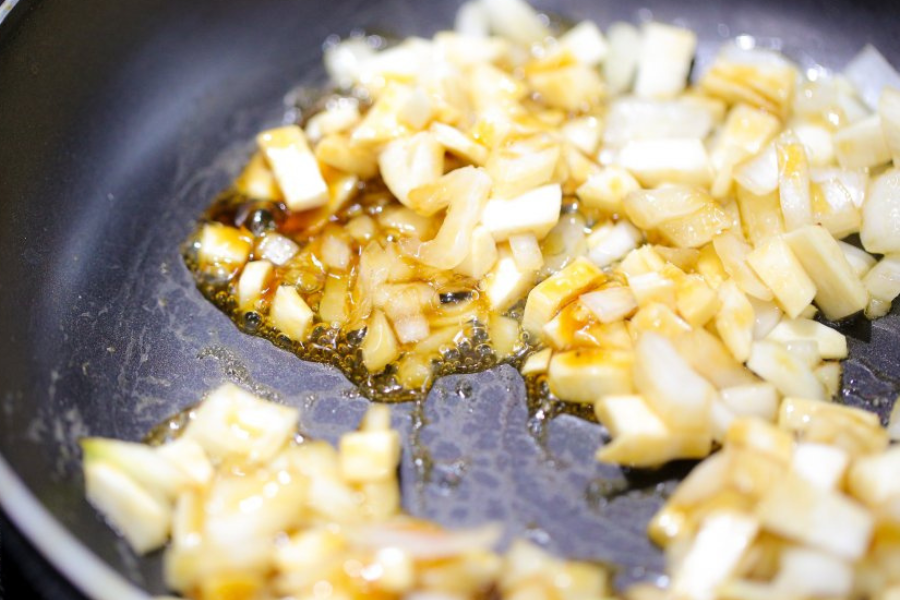
Cómo crear capas de sabor: la base de todo gran plato
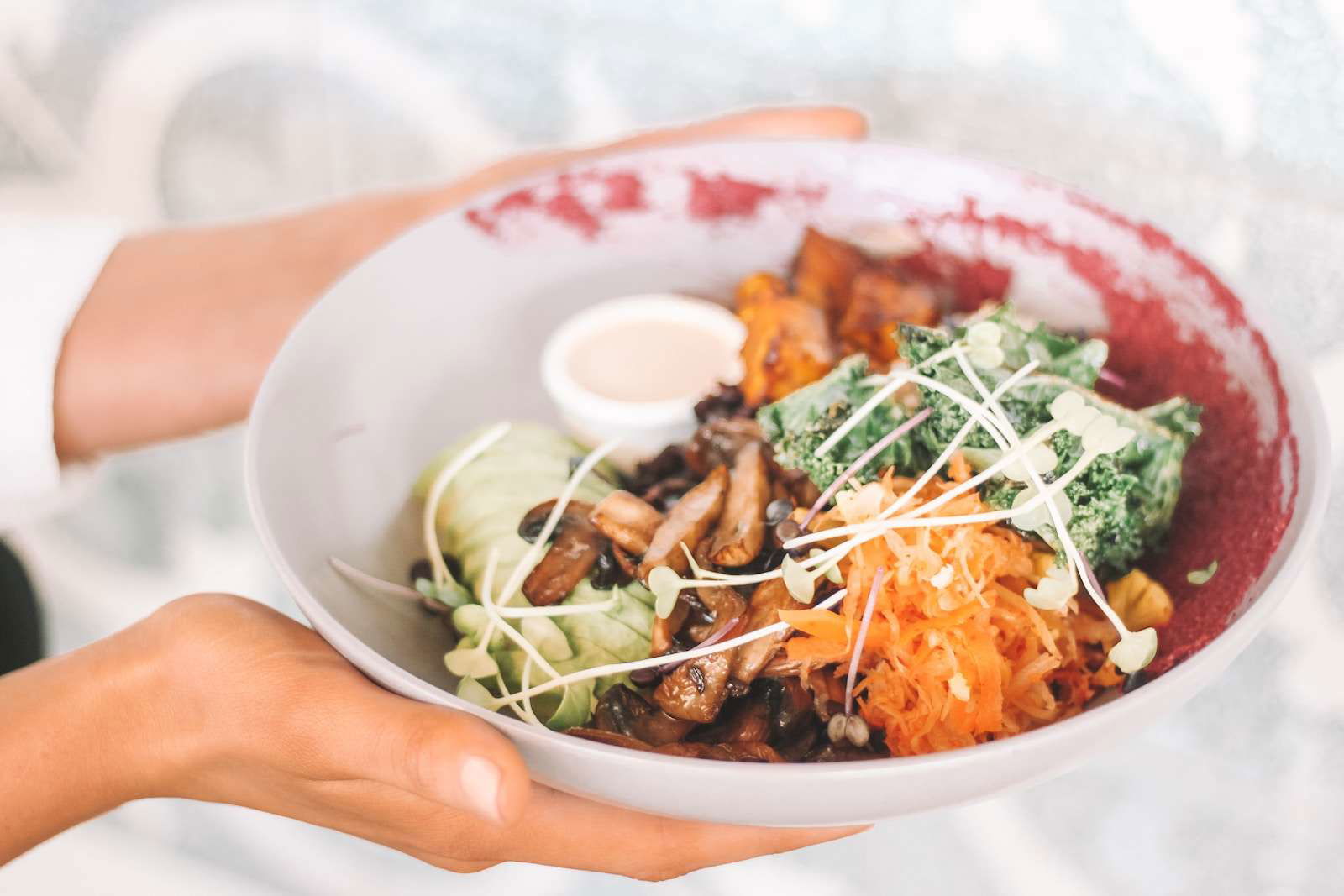
La guía completa de fuentes de proteínas de origen vegetal más allá del tofu