Explorer la cuisine italienne : au-delà des pâtes et de la pizza

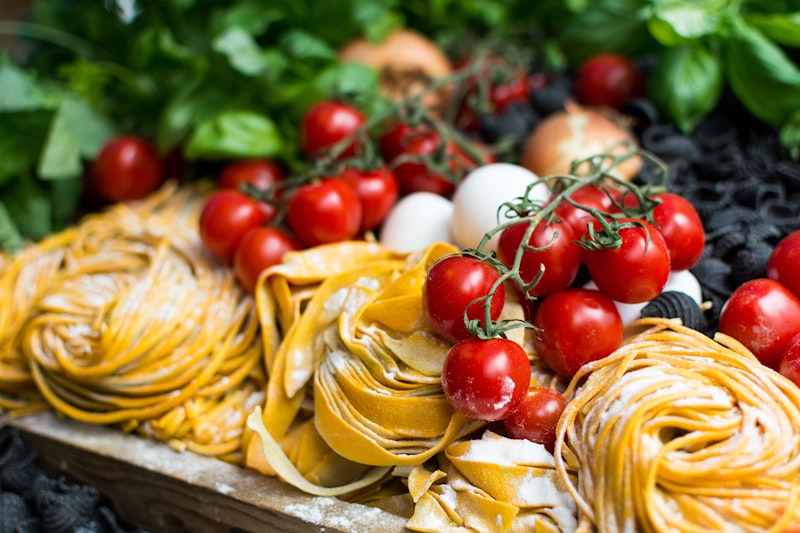
Explorer la cuisine italienne : au-delà des pâtes et de la pizza
Quand nous pensons à la « cuisine italienne », nous pensons souvent aux pâtes génériques à la sauce rouge. Mais l’Italie est un pays composé de régions distinctes, chacune avec sa propre langue, son paysage et ses ingrédients.
Il n'y a pas de « cuisine italienne » : il existe 20 cuisines régionales.
Le Nord : Beurre, Riz et Polenta
Dans le nord plus frais et plus riche (Lombardie, Piémont, Vénétie), la cuisine est plus riche.
- Graisse au choix : Beurre et saindoux (historiquement).
- Fécule : Le riz (risotto) et la polenta (semoule de maïs) sont plus courants que les pâtes séchées.
- Plats : Osso Buco (jarrets de veau braisés), Risotto alla Milanese (riz au safran) et de riches sauces à la crème.
Le Centre : Le Heartland (Toscane, Émilie-Romagne)
C'est le grenier. L'Émilie-Romagne est connue comme « l'estomac de l'Italie ».
- Ingrédients : Parmigiano Reggiano, Prosciutto di Parma, Vinaigre Balsamique de Modène.
- Plats : Pâtes fraîches aux œufs (Tagliatelles), sauce bolognaise (Ragù) et viandes grillées simples comme la Bistecca alla Fiorentina.
- Philosophie : Peu d'ingrédients, qualité exceptionnelle. Une soupe toscane aux tomates (Pappa al Pomodoro) n'est composée que de pain rassis, de tomates, d'ail et d'huile.
Le Sud : Le Soleil et la Mer (Campanie, Sicile, Pouilles)
C'est le pays de l'huile d'olive, des pâtes séchées et des légumes.
- Graisse au choix : Huile d'olive (et en grande quantité).
- Ingrédients : Tomates, aubergines, fruits de mer, piments, agrumes.
- Plats : Pizza Napoletana, Spaghetti alle Vongole (palourdes), Caponata (aubergine aigre-douce).
Les règles de la cuisine italienne
Quelle que soit la région, les Italiens suivent des règles strictes (tacites) :
- La saisonnalité est la loi : Vous ne mangez pas de fraises en décembre. Vous mangez ce qui pousse maintenant.
- Pas de poulet dans les pâtes : Le poulet est un « Secondo » (plat principal), les pâtes sont un « Primo » (entrée). Ils ne se mélangent pas.
- L'eau pour pâtes, c'est de l'or : Conservez toujours une tasse d'eau pour pâtes féculentes pour émulsionner votre sauce.
- Fromage et poisson : En règle générale, on ne met jamais de fromage sur les pâtes aux fruits de mer. Il domine la saveur délicate.
Envie de voyager via votre cuisine ? Essayez nos authentiques Recettes italiennes.
Essayez cette recette !
Inspiré par cet article ? Voici une délicieuse recette à préparer dès maintenant.
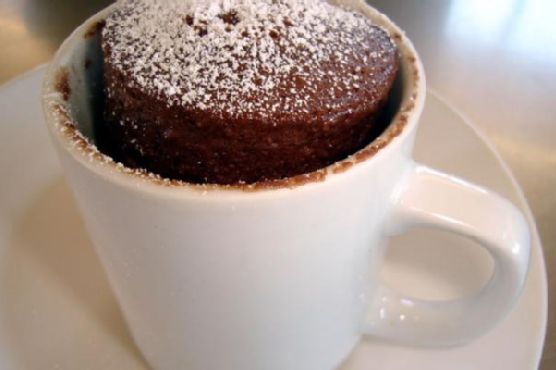
5 Minute Xocai Chocolate Mug Cake
Essayez cette recette !
Inspiré par cet article ? Voici une délicieuse recette à préparer dès maintenant.
5 Minute Xocai Chocolate Mug Cake
Articles Connexes
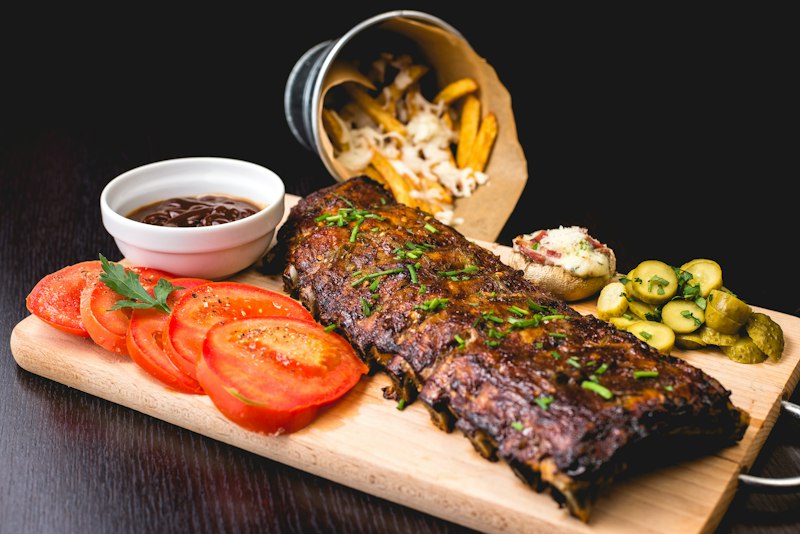
Saveurs méditerranéennes : un voyage à travers la cuisine grecque et turque
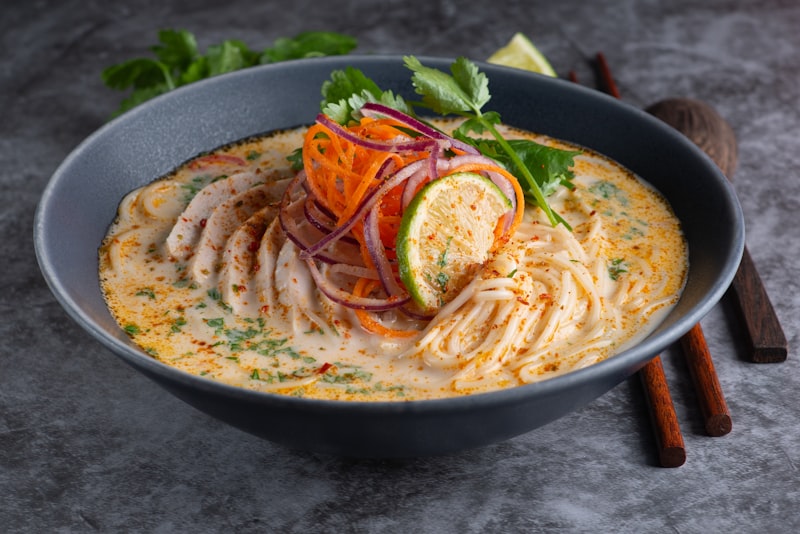
L'art du sauté asiatique : techniques de la cuisine chinoise à la cuisine thaïlandaise
